

Category: Solar Updates
Solar energy is becoming increasingly affordable in New York City, thanks to a variety of unique incentives available to homeowners across the five boroughs. With the right combination of state and federal incentives, installing a solar energy system can be an excellent investment for your home.
One of the most valuable incentives is the New York State Solar Tax Credit, which can significantly reduce the cost of your solar installation. Read on to explore how you can take advantage of this fantastic opportunity.
What is the New York State Solar Tax Credit?
The New York State Solar Tax Credit, also known as the Solar Energy System Equipment Credit, is a powerful incentive for residential solar projects. This credit allows homeowners to claim 25% of their solar energy system costs, up to a maximum of $5,000, as a state income tax credit. This tax credit is designed to make solar energy more accessible and affordable for New York residents, encouraging the adoption of clean energy.
For Co-op or multifamily owners, this credit is even more generous. Co-ops and condos can claim a 25% tax credit against their buildings solar investment, capped at $5,000 per person with no overall gross cap. This credit can be divided among individual shareholders or owners on a prorated basis.
For example, if a 12 unit co-op has a solar project cost of $150,000, each of the 12 co-op unit owners would receive their fare share of the $37,000 as a credit against their taxable income.
Am I eligible to claim the New York State Solar Tax Credit?
Not every homeowner in NYC qualifies for the NYS Solar Tax Credit, determining your eligibility for this tax credit involves understanding several key factors:
Qualifying Expenses
To be eligible for the New York State Solar Tax Credit, your expenses must be related to the purchase or leasing of solar energy equipment used for heating, cooling, hot water, or electricity for residential use. This includes solar panels, inverters, mounting equipment, and other essential components.
Income Tax Liability
To claim the credit, you must have an income tax liability in New York State. This means that if you do not owe any state income taxes, you cannot use this credit to receive a refund. However, any unused credit can be carried forward to offset future tax liabilities.
Building Type
This credit applies exclusively to residential buildings. Whether you own a single-family home, a townhouse, a brownstone, or a condo, you can benefit from the credit as long as the solar energy system is installed for residential use on your primary residence.
Ownership of Solar System
The New York State tax credit for solar panels is available for systems that are purchased, leased, or acquired through power purchase agreements (PPAs). This flexibility makes it accessible to a broader range of homeowners.
Installation Location and Timeline
The solar energy system must be installed at your primary residence in New York State. You can claim the credit when you file your taxes for the year the system was installed. For example, if your system is installed in 2026, you’ll claim the credit on your 2026 tax return.
When can I claim the credit?
You can claim the New York State Solar Tax Credit for the tax year in which your solar energy system was installed. If the full amount of the credit cannot be used in one year, it can be carried forward for up to five years. This means you can still benefit from the credit even if you don’t have enough tax liability in the year of installation.
Want to use this tax credit this year? There’s still time to get solar installed for your home in 2026! Start your solar journey today with a free consultation.

Is the NYS solar tax credit refundable?
The New York State Solar Tax Credit is not refundable. However, it can be carried forward for up to five years if you cannot use the entire credit in one tax year. While there has been recent advocacy to make this credit refundable to increase accessibility, it has not yet been passed.

Senator Pete Harckham has proposed increasing the solar tax credit cap from $5,000 to $10,000, making it refundable, removing the cap on energy system sizes, and including energy storage projects for credit eligibility. As of March 2026, the bill is still going through the legislative process and has not yet passed.
How much can I save with New York solar incentives?
In New York City, you can save up to 60% on your solar installation when combining the New York State Solar Tax Credit with other incentives. Here’s a list of other available incentives:
- NYC Property Tax Abatement: The NYC Property Tax Abatement for solar allows NYC homeowners to claim 30% of solar energy system costs as a property tax abatement with the NYC Department of Finance. When you go solar, your property taxes are significantly reduced over a 4-year term, separated into abatements of 7.5% each year.
- NYSERDA Solar Rebate: The New York State Energy Research and Development Authority (NYSERDA) contributes a cash rebate to solar installations through the NY-Sun program. This rebate is paid directly to your solar company and reduces your upfront project cost. The rebate amount varies depending on geographic location.
- Net Metering: As an NYC solar owner, you’ll be able to reduce or even eliminate your electric utility bill through Con Edison’s net metering program. Through net metering, you’ll receive retail energy credits on your monthly bills for any excess energy that your system exports to the grid. These credits are used at times when your system isn’t producing as much energy, like at night or in the winter.
How to Claim the New York State Solar Tax Credit
To claim the New York Solar Tax Credit, you will need to file Form IT-255, Claim for Solar Energy System Equipment Credit, when you do your taxes. It’s advisable to consult with your accountant or tax advisor to ensure you’re maximizing your savings and complying with all requirements.
New York State Solar Tax Credit for New York City Homeowners
The New York State Solar Tax Credit offers a tremendous opportunity for New York City homeowners to save on solar installations. By combining this credit with other available incentives, you can significantly reduce your out-of-pocket costs and enjoy the benefits of clean, renewable energy.
If you’ve been considering solar, now is the time to flip the switch. Take advantage of solar tax incentives at their peak. Schedule a free consultation to get started today.


Brooklyn SolarWorks Installs New York City’s First Residential Battery Energy Storage System
Partnership with Briggs & Stratton serves as a trailblazer for New York City’s permitting framework for the siting and installation of residential energy storage.
Brooklyn, NY, March 25, 2026 – Brooklyn SolarWorks, New York City’s leading solar developer and installer, has successfully installed the first residential battery energy storage system (BESS) within city limits. Located in Chinatown, the landmark project pairs a 19.6 kilowatt-hour battery system with a solar canopy and represents a monumental step forward for clean energy and urban resilience.
The Briggs & Stratton® AccESS™ energy storage system, the only residential storage system permitted for installation on New York City’s rooftops, was installed as a complimentary feature on an existing solar canopy – Brooklyn SolarWorks’ patented design that maximizes solar production in urban settings.
New York City’s notoriously restrictive permitting guidelines for residential BESS systems have held back residential BESS, making this project a significant victory for the industry and for homeowners seeking energy independence. This trailblazing system came online after a nearly eight-year effort by Brooklyn SolarWorks and Briggs & Stratton to not just navigate the city’s complex regulatory hurdles but assist in developing the city’s permitting framework surrounding the siting and installation of residential energy storage in New York City.
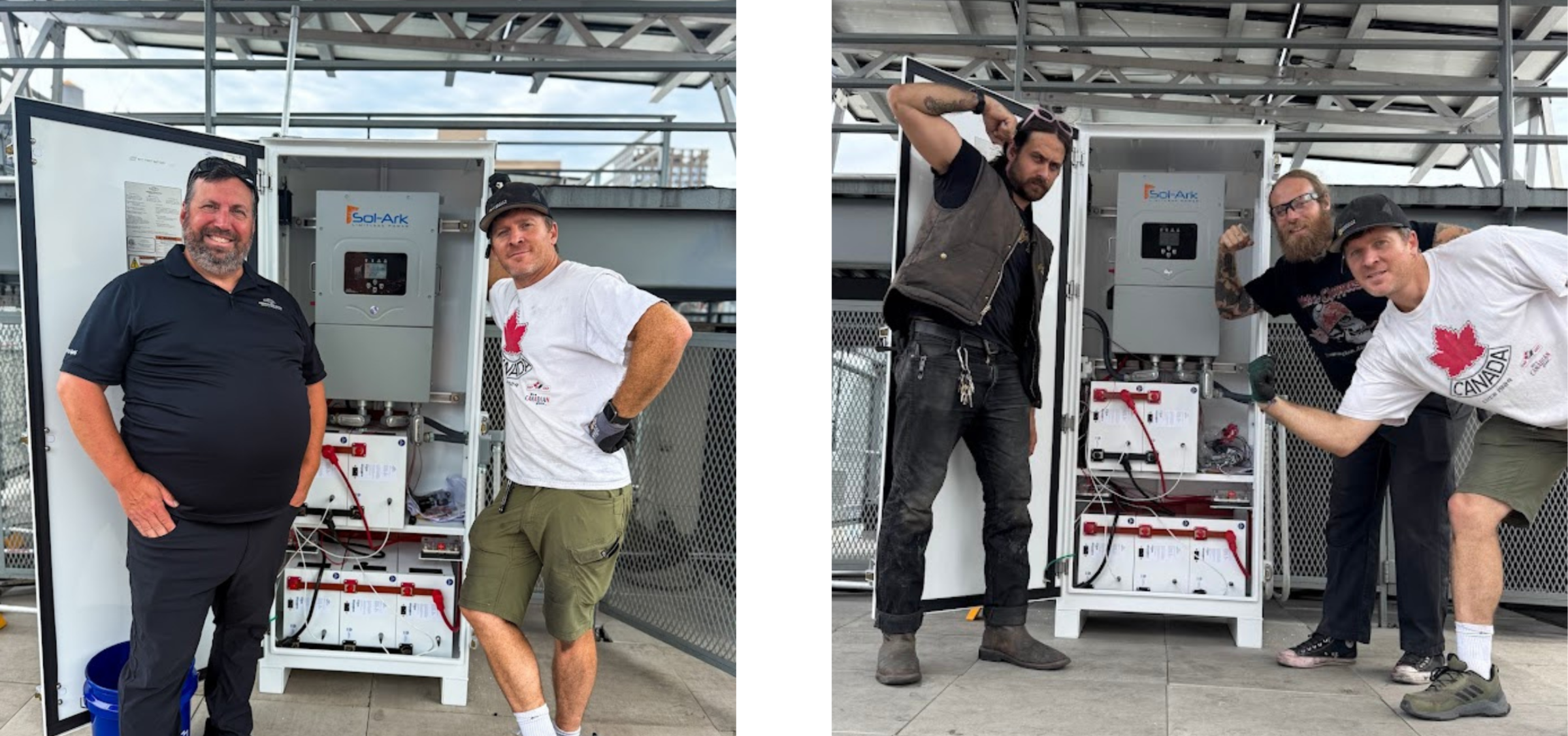
“We’ve spent years working with the Fire Department of New York (FDNY) and New York City government agencies to enable residential battery storage for New Yorkers,” says Sequoya Cross, Vice President of Energy Storage for Briggs & Stratton Energy Solutions. “Our AccESS system is the only residential ESS to receive a Certificate of Approval (COA) from the Fire Department of New York (FDNY). The COA is significant since New York has some of the most stringent fire safety rules for energy storage systems anywhere in the world. Since they produce very little heat and have a reduced risk of thermal runaway, our batteries don’t require additional fire suppression systems or cooling or ventilation measures.”
With distributed energy sources contributing a growing share of power, BESS serves as a cornerstone of grid stability. Homeowners with BESS could soon be financially incentivized to discharge their batteries during peak demand, ensuring the grid’s stable operations. Even now, these systems offer homeowners crucial protection against outages.
“This installation is a testament to our commitment to bringing innovative, clean energy solutions to New York City, “said Brooklyn SolarWorks founder and CEO, T.R. Ludwig. “Our team led the charge on rooftop solar in this city a decade ago and now we have the opportunity to lay the groundwork for BESS infrastructure, which the city will need as energy demand continues to rise. We are incredibly proud to have made this groundbreaking project a reality.”
“Energy storage, when combined with solar, makes New York City’s homes more resilient and strengthens our city’s grid,” says building owner, Bruce Langone. “This project has laid the groundwork for millions of families in the five boroughs to take control of their energy needs. It’s an honor to host the city’s first residential battery system, and I am grateful to Brooklyn SolarWorks and Briggs & Stratton for their persistence in bringing this vision to life.”
With this installation, Brooklyn SolarWorks and Briggs & Stratton created the framework for battery energy siting in New York City. Their heavy lifting has opened opportunities for residents across the five boroughs to pursue BESS installations for their homes, offering a new level of energy security for homeowners and strengthening the resilience of the city’s energy grid.
About Brooklyn SolarWorks
Founded in 2015, Brooklyn SolarWorks is a solar design and installation company servicing New York City, with more than 3,000 residential and commercial installations completed within the five boroughs. The company specializes in custom installation and design methods, including its patented Brooklyn Solar Canopy, which elevates panels above obstructions commonly found on NYC rooftops to maximize solar potential. Brooklyn SolarWorks’ hyperlocal focus has allowed them to expertly navigate complex permitting requirements and remain on the forefront of solar policy in the city and state.
For more information, visit brooklynsolarworks.com.
About Briggs & Stratton
Briggs & Stratton, headquartered in Milwaukee, Wisconsin, provides innovative products and diverse power solutions to help people get work done. Briggs & Stratton is the world’s largest producer of engines for outdoor power equipment and is a leading designer, manufacturer and marketer of lithium-ion batteries, standby generators, energy storage systems, lawn and garden, turf care and job site products through its Briggs & Stratton®, Vanguard®, Ferris®, Simplicity®, Snapper®, Billy Goat®, Allmand® and Branco® brands. Briggs & Stratton products are designed, manufactured, marketed and serviced in more than 100 countries on six continents.
For more information visit energy.briggsandstratton.com.
If you’re an NYC homeowner considering rooftop solar panels, questions like these may have crossed your mind: How do I store the energy my system produces? What happens at night when there’s no sun? If these questions are at the top of your mind, we have two words for you: net metering!
Simply put, net metering is a billing mechanism that allows you to store your solar energy as a retail energy credit to be used at a later date.
What is Net Metering?
Net metering is one of the best solar incentives available in New York City. Instead of going to waste, unused solar power is automatically sent to the electric grid and stored as a credit on your Con Edison account. Your credits then offset the cost of electricity you buy from Con Ed when your solar panels are not producing electricity.
Simply put, net metering is a billing mechanism that allows you to store your solar energy as a retail energy credit to be used at a later date.
You can think of net metering like a virtual battery with Con Edison, which is great because residential home batteries are currently not permitted in NYC. Unlike an actual battery, net metering requires that your home is always connected to the grid. This is helpful so that you can pull extra energy from the grid whenever you need it.
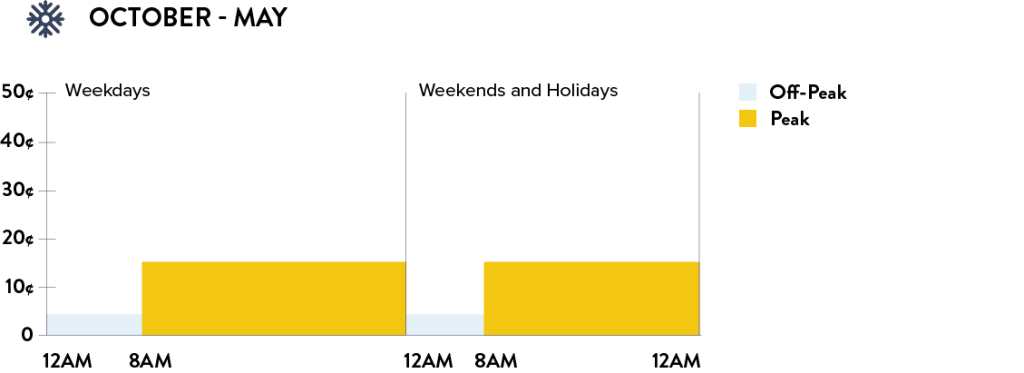
In NYC, we’re very lucky to have 1-to-1 net metering. That means Con Edison credits you at the full retail rate of electricity for every kWh you send to the grid. So, if your electric rate is 26 cents per kWh, for example, and you export 1,000 kWh of solar electricity to the grid in a given month, Con Ed will credit you for 1,000 kWh at 26 cents per kWh, which is equal to $260.
Because it’s a true 1-to-1 exchange of kWh exported to kWh credited, as electricity rates increase over time, the value of your solar energy increases right along with them.
Net Metering Example as a Con Ed Customer
To give you a better idea of how net metering works with your bill, let’s look at a simple example:
- In one month, your solar system produced 1,000 kWh, but you only used 500 kWh. The 500 kWh you didn’t use are automatically sent to the electric grid.
- On your next Con Ed bill, you’ll get credit for those 500 extra kilowatt-hours. These will be reflected on your bill under “Net Meter Summary.”
- The following month, your solar system produces another 1,000 kWh, but your home uses 1,500 kWh. The 500 kWh you were credited the previous month are automatically applied, bringing your usage charge down to $0.

Here’s an example of what your Con Ed bill would look like after going solar. Con Ed will provide a net metering summary, which compares your stored credits to your consumption.
How Does Net Metering Work?
Here’s a closer look at how NYC net metering works when you go solar as a Con Ed customer.
- As a residential solar owner, you remain connected to the Con Ed electric grid.
- During the day, your solar system may produce a lot more energy than you’re actually using.
- The excess electricity automatically feeds back into the electric grid. This is tracked with a smart electric meter, which is put in place by Con Ed when your solar system is installed.
- Con Edison compensates you for the solar electricity you send to the grid by crediting your account with energy credits.
- Your credits are automatically applied to your bill whenever you use grid-generated electricity (at night or during less sunny times of year), reducing what you owe.
- If you don’t use all of your credits, they will roll over month to month.

Do You Have to Install a Net Meter When You Go Solar?
You do not have to install a new electric meter when you install solar panels in New York City. After your solar array is installed, Con Edison will make a simple software change to your existing smart meter. This change enables Con Ed to track the amount of energy your system is exporting to the grid, which allows the company to compensate you on your future electric bills.
Important Details About Con Ed Net Metering in 2026
- All residential solar owners are eligible – If you’re a Con Edison customer installing a home solar system in 2026, you’ll qualify for 1-to-1 net metering.
- Current policy locks you in for 20 years – When you go solar in 2026, you will be locked into the current 1-to-1 net metering system for a full 20 years. So the sooner you go solar, the sooner you can be sure to take full advantage of net metering.
- A small CBC charge applies – All Con Edison solar customers are subject to a small Customer Benefit Contribution (CBC) charge. This fee is often low, around $20-$30 per month, and helps fund public programs, including the Clean Energy Fund and low-income utility programs.
What Are the Benefits of Net Metering?
How Net Metering Benefits Solar Owners
Net metering is a big part of the reason why solar panels are such a good investment for New York City homeowners. It helps you save more money with solar panels, speeding up your payback period and increasing your return on investment.
Here’s how net metering saves you money:
1. Use Your Solar Power Day and Night
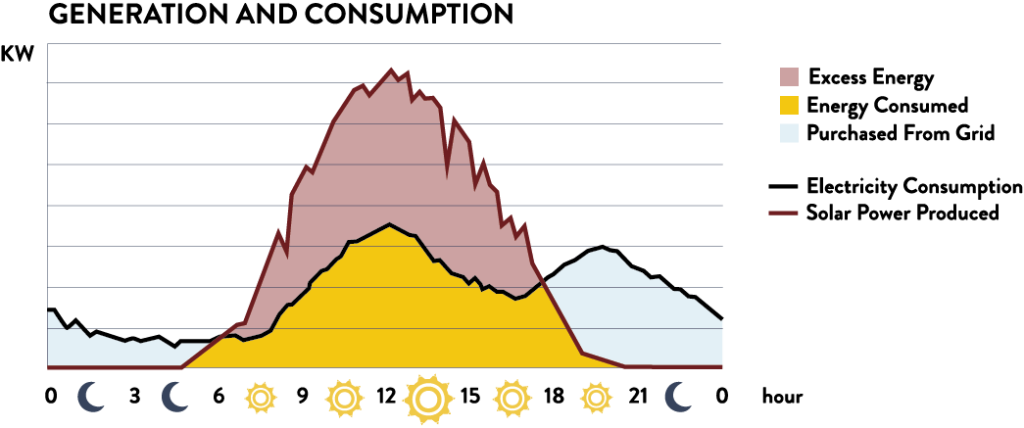
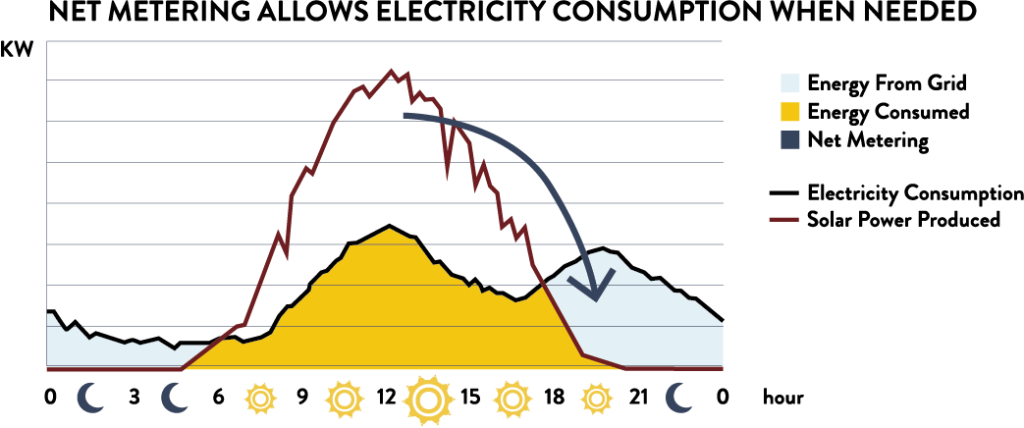
Any extra electricity your solar panels produce during the day is sent back to the grid and credited to your account. Those credits automatically offset the cost of grid power you buy at night, so you’re still benefiting from your solar production even when your system isn’t actively generating power.
2. Keep Electric Bills Low All Year
Net metering helps smooth out seasonal swings in solar production. Your credits roll over month to month, so you can bank them during the long sunny summer days and use them in the winter, when the days are shorter, and you’re buying more power from the grid.
3. No Wasted Solar Energy
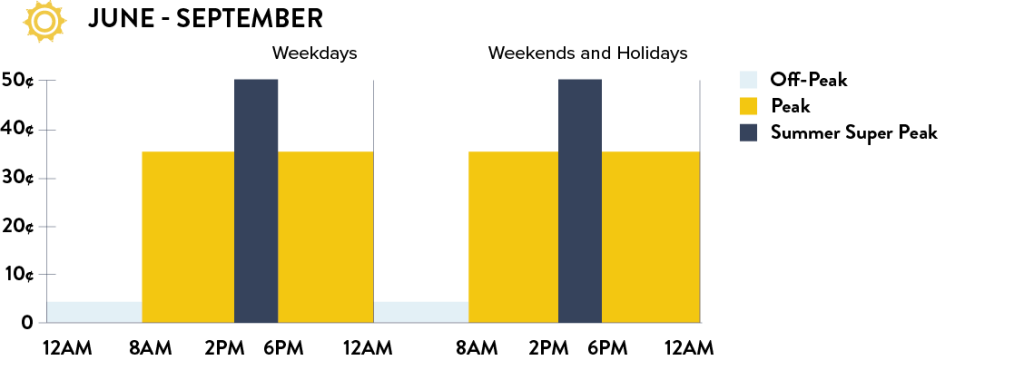
Without net metering, excess solar energy would simply go unused. Net metering ensures you benefit from every kilowatt-hour your system produces.
Want to learn more about the solar incentives you qualify for?
How Net Metering Benefits All New Yorkers
Net metering not only benefits you as a homeowner, but the community and economy overall. It reduces the need for costly transmission upgrades and new electricity generation by adding clean energy supply directly to the grid, which contributes to overall reliability and helps New York meet its climate goals.
This added supply is especially valuable during the hot summer months, when Con Ed is sending us alerts to lower our air conditioners because the grid is strained. Solar helps relieve the pressure by feeding extra power into the grid so we can all stay comfortable in the heat.
Net metering also increases demand for solar panels, which creates jobs for the installers, electricians, and manufacturers who work in the solar supply chain. The solar industry currently employs over 250,000 American workers in large part due to strong state net metering policies, which have allowed it to thrive.
What Does the Future of Net Metering for Solar Look Like in NYC?
New York City currently offers one of the best net metering programs in the country. If you install solar panels now, you can lock in Con Edison’s current 1-to-1 net metering rate for 20 years.
However, net metering rules are subject to change. By starting your solar installation now, you can secure today’s incentives, protect yourself from future utility rate increases, and maximize your long-term savings.
Curious about how solar could work for your home in NYC? Call 929-977-0058 or schedule a free consultation today!
In 2015, Brooklyn SolarWorks landed in Gowanus with a mission to bring innovative and affordable solar to the rooftops of NYC. We’ve overcome barriers to develop industry-leading approaches to permitting, design, and installation that are specifically adapted to New York City.
Now, solar power is transforming how New York City’s co-ops manage energy costs and sustainability goals. With rising utility rates and strict carbon emission laws like Local Law 97, co-op owners are increasingly exploring solar as a way to reduce expenses, boost property values, and ensure compliance with local regulations.
This guide provides everything you need to know about solar energy for NYC co-ops, from roof compatibility and installation options to navigating NYC building codes and financial incentives.
Background of Solar in NYC
For many years, solar contractors in the area embraced installation methods and system designs that were not developed for the typical New York City building. Unlike the NYC suburbs, buildings here in the city have many unique features, such as:
- Surrounding buildings
- Skylights
- Hatches
- HVAC equipment
- Required FDNY fire paths
Despite NYC’s dense urban landscape, innovative solar solutions such as canopies, tilt racks, and ballasted systems have made it possible to maximize solar potential on flat and limited rooftop spaces. As more co-ops recognize the long-term benefits of solar, the closer the city grows towards its climate goals of reaching net-zero carbon emissions by 2050.
How to Know if Your Roof is Compatible with Solar
Not all roofs are ideal for solar installations. For co-op owners, determining roof compatibility is a crucial first step. Key factors include:
- Workable Roof Size and Space: Larger roofs provide economies of scale and better ROI.
- Structural Integrity: The roof must support the additional weight of solar panels.
- Roof Condition: Older or damaged roofs may need repairs or replacement before installation.
- Shading: South-facing roofs with minimal shading yield the best results.

In order to know for sure if your roof is fit for solar, it is important to get the roof surveyed by a certified solar professional.
Want to know if your building is compatible with solar? Schedule a free consultation today!
Solar Design Options
Installing solar in New York City– especially those with obstructions like hatches, skylights, and required FDNY fire paths – requires a bit more creativity than other solar designs. Luckily we have created multiple design options for co-op solar installations, depending on their roof structure and needs:
Canopy

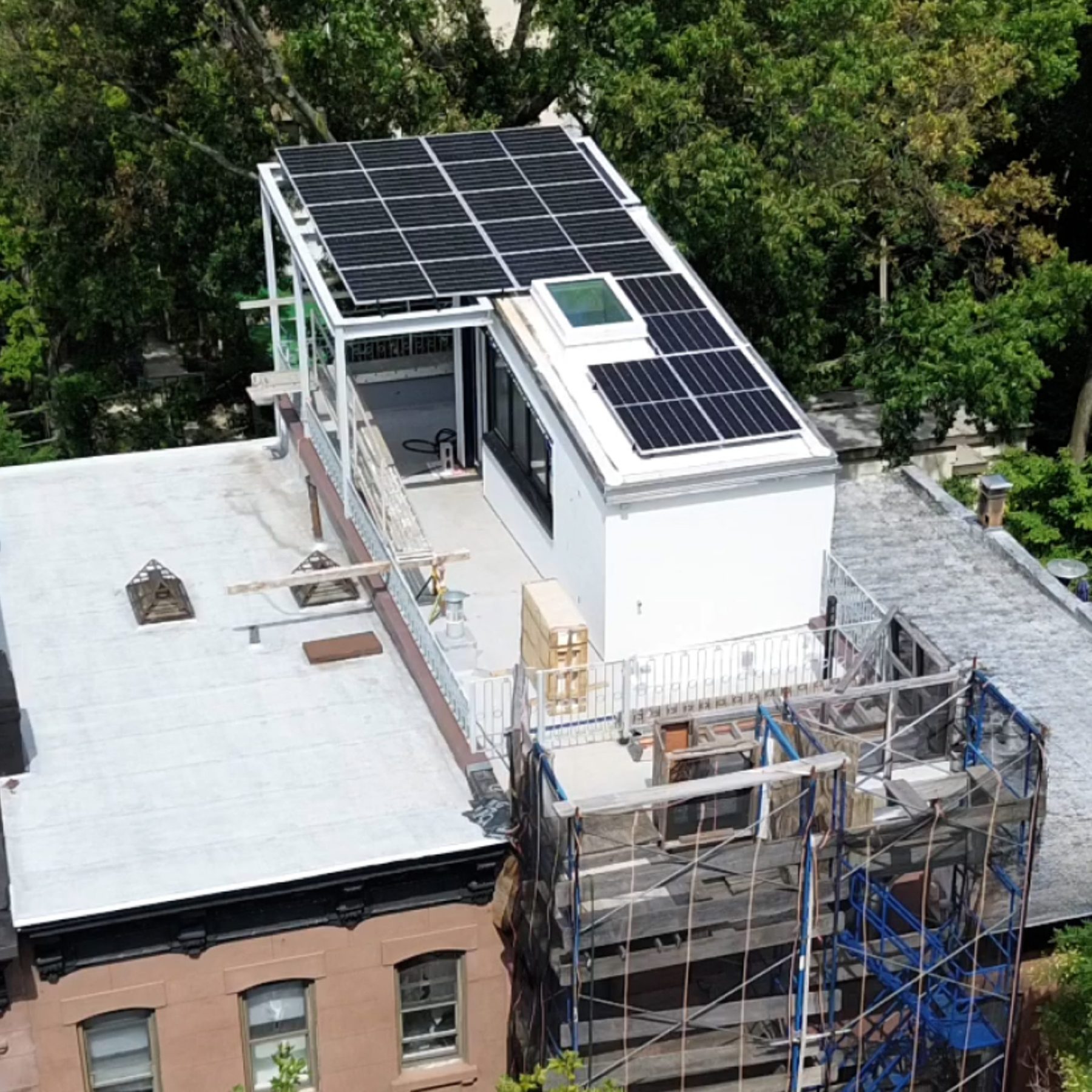
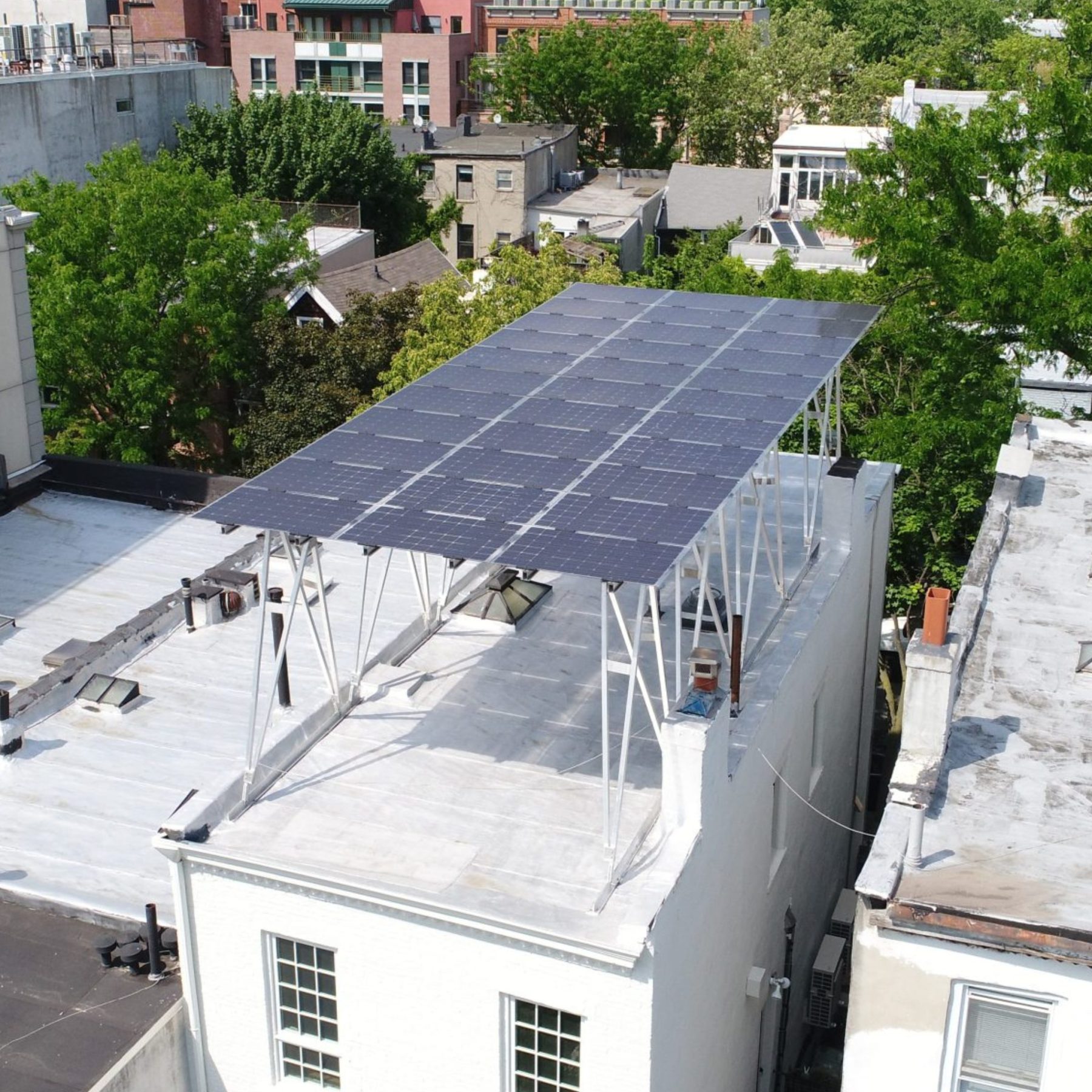
The Brooklyn Solar Canopy is a revolutionary design tailored for NYC’s flat roofs. This award-winning innovative structure elevates solar panels above roof obstructions and fire safety paths while creating usable rooftop spaces for amenities like green roofs or decks. Its functional and aesthetic appeal has made it a favorite for co-ops, offering a way to maximize energy generation without sacrificing usability. It’s so popular that we now distribute our solar canopy to other installers all over the country through a separate company, Brooklyn Solar Canopy Co.
Tilt Rack

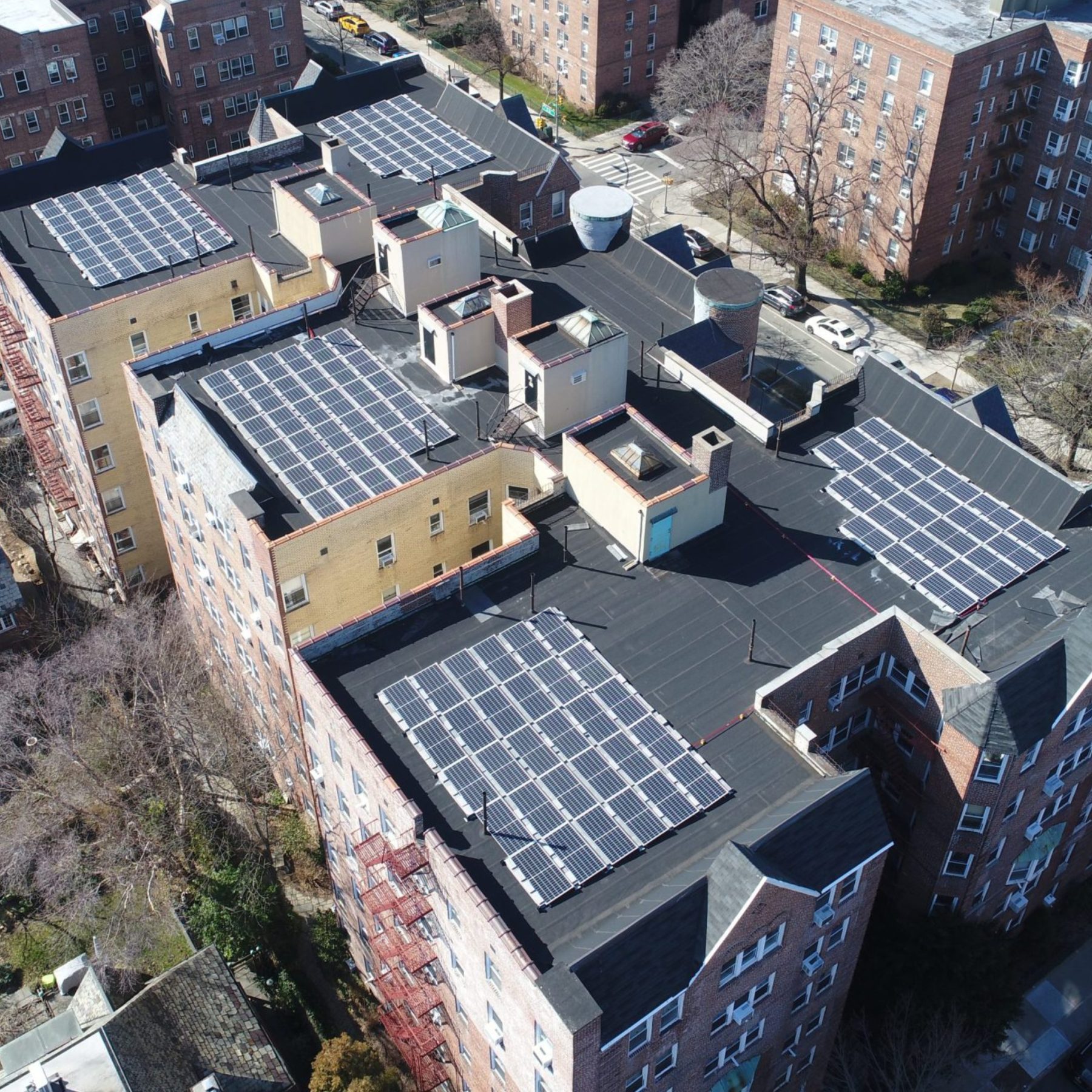
Tilt rack systems are ideal for flat roofs where a canopy may not fit the building’s aesthetic or functional goals. These systems elevate panels at an optimal angle to capture sunlight while maintaining proximity to the roof. By allowing flexibility in panel placement, tilt racks work around obstructions like vents or skylights, ensuring maximum energy production.
Ballasted

For buildings seeking a non-invasive approach, ballasted systems offer an excellent solution. These designs use weighted mounts to secure the panels without penetrating the roof, preserving its integrity while ensuring stability.
Traditional Solar Panel Installation

Traditional solar designs for pitched and sloped roofs integrate solar panels seamlessly with the roof. Panels are installed flush with the roof surface, providing a streamlined appearance. This option works best for co-ops with traditionally sloped roofs and ample sunlight exposure.
Financial Benefits of Solar for NYC Co-ops
Solar energy provides co-ops with substantial long-term financial advantages that go beyond just energy savings. By investing in solar, co-op owners can take control of their energy costs, protect against rate hikes, and increase property value while benefiting from low maintenance costs and incentives.
How Solar Protects Against Utility Rate Hikes in NYC
Utility rates in NYC have consistently risen over the years, with no signs of slowing down. By switching to solar, co-ops can shield themselves from unpredictable Con Edison rate hikes. Solar systems generate clean, renewable energy on-site, allowing buildings to offset their reliance on grid power. This not only stabilizes energy costs but also locks in predictable savings for the next 25–30 years, ensuring financial security for co-op owners.
Low Maintenance Costs of Solar Systems
One of the most appealing aspects of solar energy is its low maintenance requirements. Modern solar systems are designed for durability and longevity, requiring minimal upkeep throughout their lifespan.
To ensure your solar system is at peak performance, Brooklyn SolarWorks provides a 24/7 monitoring system as part of our warranty package. Our team actively monitors our entire fleet of solar systems on a regular basis, and are alerted in case of any irregularities in system functionality. System owners also have access to monitor their panels as well.
Additionally, Brooklyn SolarWorks includes an industry leading 30-year total system warranty AND a power production guarantee, minimizing out-of-pocket expenses for co-ops. This low-maintenance advantage ensures co-op owners enjoy consistent energy savings without added hassle.
Boosting Property Value with Solar Energy
According to an April 2019 study by Zillow.com solar homes sell on average at 4.1% higher than comparable homes without solar. The study also found that the solar boost was higher in the NYC metro area than the national average, topping out at 5.4%. That’s an extra $23,989 in value for solar property owners in the five boroughs. The study corroborated similar findings of an early report funded by the U.S. Department of Energy.
Co-op buildings with solar energy systems are more marketable and competitive in NYC’s real estate landscape, offering long-term benefits that far outweigh the initial investment. For co-op owners, solar provides a unique opportunity to enhance their property’s financial and environmental appeal.
Want to learn more about the benefits of solar? Schedule a free consultation today and start saving for decades to come!
Solar Panel Installation Cost
Determining the cost of a solar panel installation for NYC co-ops depends on multiple factors, making it more complex than in other regions. Factors such as roof type, system size, incentives, and energy consumption patterns all play a role in shaping the final price. Unlike other areas, where pricing may be more standardized, NYC’s unique urban environment and stringent regulations require specialized solar design solutions.
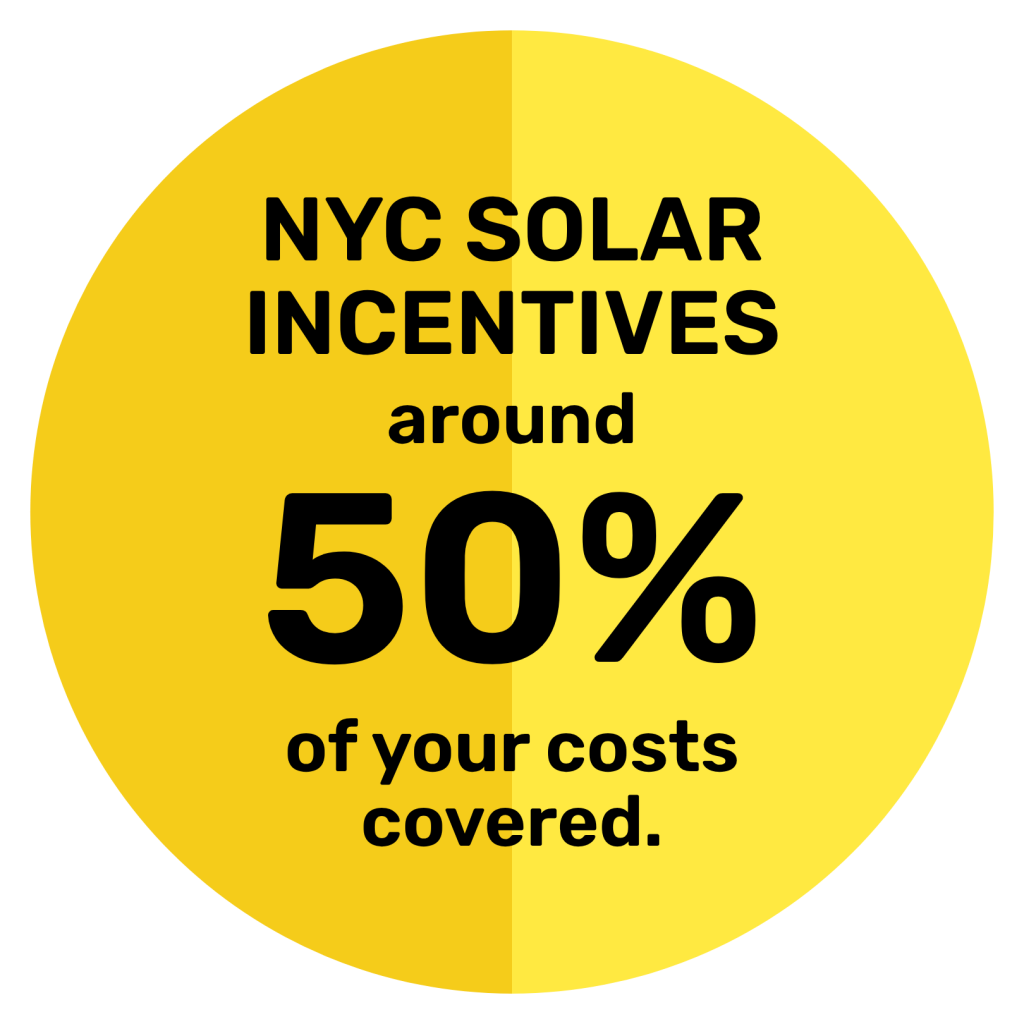
NYC’s solar market stands out as one of the most incentivized in the country. Programs like NYSERDA rebates and a property tax abatement collectively cover around 50% of a system’s cost. On top of these incentives, some NYC buildings (including HDFC co-ops) qualify for additional rebates. These robust financial incentives make solar a feasible investment for many co-ops, allowing them to transition to renewable energy without bearing a significant upfront financial burden.
Although the initial cost may seem high, it’s crucial to view solar as a long-term investment. Solar installations not only reduce utility bills but also increase property value over time. For co-ops in NYC, the payback period typically ranges from 4 to 6 years, and the cumulative energy savings can exceed $150,000 over the system’s lifespan. These benefits, combined with the ability to avoid penalties under Local Law 97, make solar an increasingly popular choice among NYC co-ops.
For a personalized estimate and to explore incentives specific to your co-op, schedule a free consultation today.
Navigating NYC Building Codes and Solar Installation Regulations
New York City’s building codes and regulations can feel overwhelming, but understanding these requirements is essential for a smooth and successful solar installation process. From carbon emission laws to permitting procedures, NYC co-op owners must address several key factors before proceeding with solar.
Complying with Local Law 97
Local Law 97 is a critical regulation that sets strict carbon emission limits for NYC buildings larger than 25,000 square feet. Under this law, co-ops that fail to reduce emissions below the defined limits may face significant financial penalties.
Solar energy provides a practical solution by reducing reliance on fossil fuels and lowering emissions. By installing solar panels, co-ops can offset their energy usage, achieve compliance with Local Law 97, and avoid steep fines while improving their building’s overall sustainability.
How Roof Warranties and Building Codes Affect Solar Installations
Roof warranties are a common concern for co-ops considering solar. Solar panel installations must be designed and implemented carefully to ensure the roof warranty remains intact. That’s why we offer non-invasive solutions, such as ballasted systems, that avoid roof penetrations while maintaining structural stability.
Additionally, NYC building codes require solar installations to meet strict safety, fire, and structural standards. Working with experienced local installers ensures compliance with these codes and minimizes the risk of costly delays or issues all while getting the best solar system possible.
Addressing Permitting Challenges
The permitting process can be complex and time-consuming. Luckily, we’ve created a turn-key business model, meaning it’s on us, the installer, to manage all permits and permissions on behalf of the customer with the city, Con Edison, and all other entities. Because of the time it takes to permit a project, the installation process takes about 4-6 months to complete from contract signing. During that time, the customer is required to do almost nothing until the day of the installation.

How to Bring Solar Power to Your Co-op Board
Installing solar on your co-op building will require approval from all of the decision-makers in your building. Bringing solar power to your co-op board will involve careful preparation and clear communication about how solar will benefit residents.
Educate Your Co-op Board on Solar Benefits
Start by educating the board about the benefits of solar energy, both financial and environmental. Emphasize how solar can reduce operating costs, protect against rising utility rates, and help the building comply with Local Law 97 to avoid penalties.
Present Financial Data to Stakeholders
To build support, present detailed ROI and payback period data that demonstrate the financial feasibility of solar installations. Highlight that the average payback period in NYC is just 4–6 years (compared to the national average of 7-10 years) and that co-ops can save $5,000–$10,000 annually on energy costs.
Understand Incentives that Make Solar More Accessible for Co-ops
Financing is often a key concern for co-op boards. Luckily, NY solar incentives can help cover around 50% of the total system cost come tax season.
By presenting a comprehensive case and addressing potential concerns, you can successfully bring solar power to your co-op board and move toward a more sustainable and cost-effective energy solution.
If you need help gathering this data, schedule a free consultation with us today. We are always excited and ready to present to a Co-op board! Start the conversation.
Solar Story: David, Park Slope
Meet David, Treasurer of his 8-unit co-op in Park Slope, Brooklyn. He shares how going solar with Brooklyn SolarWorks not only helps the environment but also provides significant savings to residents of his building. With the help of state incentives and expert analysis, David’s co-op saved 81% of the initial installation costs, and the financial benefits have exceeded expectations. Watch his full story to learn how solar power is transforming his building and helping them save on energy costs. 💡
How to Choose the Right Solar Installer
Selecting the right solar installer is a critical step in ensuring a successful transition to renewable energy for your co-op. Unlike typical home improvement projects, solar installations in NYC require expertise not only in solar technology but also in navigating the city’s complex building codes, permitting processes, and unique structural challenges.
A reliable solar installer should offer more than just high-quality products; they should act as a partner throughout the entire process. From the initial consultation and feasibility studies to securing permits and completing the installation, your chosen provider must demonstrate a thorough understanding of NYC’s specific requirements. Look for companies with a proven track record in urban solar installations and an in-depth knowledge of local laws, such as Local Law 97.
We’ve built our business from top to bottom to do all of these things for each and every customer of ours – contact us today!
Solar Warranty and Maintenance
When you invest in a solar system, you want assurance that it will perform reliably for years to come. That’s why reputable solar installers offer robust warranties and straightforward maintenance processes. At Brooklyn SolarWorks, all our systems come with a comprehensive 30-year warranty, covering panels, inverters, and overall system performance. We even include a production guarantee, ensuring that if your system underperforms, you’ll receive compensation for the lost savings.

Surprisingly, solar panels require minimal maintenance thanks to their durable, low-maintenance design. With no moving parts, the risk of mechanical failure is virtually eliminated. Panels are typically angled to allow rainwater to naturally wash away dirt and debris, so you don’t need to worry about regular cleaning. If you choose to clean them, avoid abrasive tools or detergents that could scratch the glass.
Snow removal is also unnecessary, as most systems are designed to handle winter weather conditions. Snow naturally melts or slides off, and the minimal power loss during snowy periods is not worth the risk of climbing onto an icy rooftop.
There’s not much you’ll need to do for solar panel maintenance. Solar systems are equipped with remote monitoring, allowing you and your installer to track performance effortlessly. This hands-off maintenance approach ensures that you can enjoy decades of clean, cost-effective energy without the hassle.
FAQs About Solar Energy for NYC Co-op Owners
Co-op owners often have many questions about the logistics, costs, and benefits of solar energy. Here are answers to the most common inquiries to help guide your decision-making process.
What does solar installation cost for co-ops?
The cost of installing solar panels for co-ops varies based on factors like system size, roof type, and energy consumption. However, NYC co-ops benefit from a variety of incentives, including NYSERDA rebates and property tax abatements, which can significantly reduce upfront costs around 50%. On average, co-ops in New York City can expect a payback period of 4–6 years, making solar a highly cost-effective investment.
What incentives are available to NYC co-op owners?
NYC co-ops have access to generous incentives that make solar installations more affordable. The NYSERDA rebate is one of the most significant, with commercial buildings receiving rebates up to four times higher than residential properties. Additionally, co-ops can take advantage of the NYC’s property tax abatement, further lowering the overall investment.
How does solar installation impact the roof?
Co-op owners often worry about how solar panels will affect their roofs. Fortunately, modern installation techniques, such as ballasted systems, are designed to preserve roof integrity by avoiding penetrations. Most solar providers also offer roof warranties to ensure the roof remains protected throughout the system’s lifespan. In fact, solar panels can extend a roof’s lifespan by shielding it from weather and UV exposure.
Get Started with Solar for Your NYC Co-op
Taking the leap toward solar energy for your NYC co-op is not just an investment in cost savings; it’s a commitment to sustainability, resilience, and forward-thinking property management. From compliance with Local Law 97 to long-term financial stability and increased property value, solar power offers so many benefits that make it a smart, impactful choice for co-op owners across the city.
If you’re looking to install solar on your New York City co-op, trust an expert. Brooklyn SolarWorks has been designing and building innovative solar systems for NYC since 2015, with over 3,000 complete projects.
Ready to get started? Schedule your free consultation.
In New York City, the drive toward carbon neutrality has reshaped building regulations to prioritize energy efficiency and renewable energy. A key part of this initiative is the requirement for new construction to incorporate solar panels or green roofs, as mandated by Local Laws 92 and 94.
While existing buildings are not universally required to install solar panels, those undergoing major roof alterations may be subject to these requirements. Read on to see what this could mean for your NYC property.
Understanding NYC Building Codes and Solar Panel Mandates for New Construction
New York City has taken bold steps toward reducing greenhouse gas emissions and achieving carbon neutrality by 2050. To support these goals, the city has implemented a series of forward-thinking building codes designed to promote sustainability and energy efficiency. Among these measures, solar panel and green roof mandates stand out as pivotal requirements for new construction and major roof renovations.

By requiring the installation of solar photovoltaic systems, green roofs, or a combination of the two, these codes not only enhance energy efficiency but also help mitigate the urban heat island effect, improve stormwater management, and reduce overall building emissions. These initiatives reflect the city’s commitment to creating a more sustainable urban environment while encouraging property owners and developers to adopt greener building practices.
Understanding how these mandates apply to various building types and roof conditions is critical for compliance. With solar panels playing a key role in these regulations, developers and property owners must navigate complex requirements to align their projects with NYC’s sustainability objectives.
Key NYC Building Codes Mandating Solar Panels
While other building codes focus on broader energy efficiency measures, Local Laws 92 and 94 are the cornerstone regulations in New York City requiring solar panel and/or green roof installation. These laws aim to reduce the city’s carbon footprint, improve energy efficiency, and combat the urban heat island effect. Let’s look at the requirements, applications, and exceptions under these important local laws.
Local Laws 92 and 94
Enacted in 2019, Local Laws 92 and 94 require that the roofs of certain buildings be partially covered with green roofs or solar photovoltaic electricity-generating systems. These laws apply to new buildings and to existing buildings undergoing major roof renovations, aiming to enhance energy efficiency and reduce urban heat island effects.
Compliance is critical, as projects cannot obtain a Certificate of Occupancy without a related and code-compliant solar application.
When do Solar Panel Requirements Apply?
LL 92 and 94 mandated that beginning November 15, 2019, all new buildings and roof replacements in NYC must install a solar photovoltaic system or green roof (or a combination of the two). There are some exceptions and different requirements based on the size, classification, and slope of the roof.

- For continuous roof area greater than 200 square feet (100 square feet or more in Group R buildings up to five stories), and a slope below 2:12
- A solar system, green roof, or a combination of both, must be installed.
- If the solar power capacity cannot reach 4 kW due to conditions like shading, a green roof is the only option.
- A minimum solar panel efficiency of 15% must be used for all calculations.
- For continuous roof area of less than 200 square feet (less than 100 square feet in Group R buildings up to five stories), and a slope below 2:12
- A solar system reaching 4 kW must cover the entire area
- If solar capacity cannot be reached, the entire area must be covered by a green roof
- A combination of a solar PV system and green roof is not allowed
- Continuous roof area with a slope higher than 2:12
- A solar PV system is the only option because the slope is too great for a green roof
- However, if a solar capacity of 4 kW cannot be reached, that roof section is exempt from LL92/94
Exceptions to LL 92 and 94
The requirements of this law apply to all new roof installations in the city and are based on the square footage of “continuous” or available space on the roof. In some cases, a roof or sections of a roof may be exempt from the requirements of these laws. Here are some exceptions:
- If the slope of the roof is greater than 2:12 and a solar system would not reach a capacity of 4 kW
- Too much of the roof area is occupied by other structures such as water towers, mechanical equipment, or stormwater management systems
- The roof is already occupied by recreational spaces
- If you’re making simple repairs to your roof, rather than replacing it altogether
Other Local Energy Efficiency Mandates
While Local Laws 92 and 94 explicitly require solar panels for certain buildings, there are other building codes in New York City where the use of solar can help property managers comply and avoid fines.
Local Law 97
Local Law 97 limits greenhouse gas emissions for buildings over 25,000 square feet. In accordance with city goals, these buildings must reduce their emissions by 40% by 2030, and by 80% by 2050.To comply with Local Law 97, you’ll likely need to make some energy efficient improvements to your building. This could include:
- Electrifying your HVAC systems and hot water heating with heat pumps
- Installing solar to power your building
- Retrofitting your common area lighting
- Improving your wall and roof insulation
- Installing an energy management system

Local Law 154
Local Law 154, also known as the “All-Electric Building Act,” mandates that new buildings in New York City utilize electric heating and appliances, effectively prohibiting the use of fossil fuels in most new construction.
As of 2024, new buildings under seven stories must not use fossil fuels for heating, hot water, cooking, or other energy needs. By 2027, these requirements will extend to larger buildings over seven stories.
While clean energy isn’t required to comply with this law, it can help. By pairing building electrification with solar energy, you can significantly cut down on operating costs and increase your building’s energy efficiency. Planning for solar during the design phase not only ensures compliance but also allows you to capitalize on renewable energy incentives and long-term savings.
Key Rules and Regulations for NYC Solar Installations
Navigating the rules for solar installations in New York City requires careful attention to building codes and regulations to ensure compliance while maximizing energy efficiency. Proper planning and early collaboration with solar consultants can streamline the process and prevent costly design changes or delays. As a solar installation firm in NYC, here are some of the factors that we need to consider.
Fire Safety Codes and Solar Panel Placement
The New York City Fire Code specifies requirements for rooftop access and ventilation pathways to ensure firefighter safety.

Collaboration between architects and solar specialists early into the planning process ensures maximum solar output while meeting fire code requirements.
Looking to design a code-compliant building in NYC? Submit your design today and see what solar can do for you!
Meeting Minimum Efficiency Standards
Solar installations must meet specific efficiency standards as outlined in the New York City Energy Conservation Code. This includes considerations for system performance, energy output, and overall contribution to the building’s energy efficiency.
Managing Shading and Lot Line Considerations
Proper placement of solar panels is crucial to maximize energy production. Installations must account for potential shading from adjacent structures and comply with zoning regulations related to lot lines and building heights.
Historic District and Specialty Building Restrictions
Buildings located within historic districts or those with landmark status may face additional restrictions on solar installations. Approvals from the Landmarks Preservation Commission are often required to ensure that solar panels do not compromise the building’s historic character.
Ensuring Compliance with Mandates and Smooth Solar Installations
Meeting NYC’s solar mandates requires strategic planning and expert guidance. Proper integration of solar systems not only ensures compliance with building codes but also enhances project efficiency and sustainability. Here are some critical steps and considerations for achieving seamless and code-compliant solar installations in New York City.
Planning Rooftop Layouts for Solar Compliance
Effective designs accommodate fire codes, structural integrity, and solar optimization. Early planning minimizes costly revisions later in the design stages.
Key Milestones for Including Solar Consultants
Bringing solar consultants on early in the design process ensures that solar integration aligns with architectural plans, structural considerations, and regulatory requirements.
Navigating the NYC Department of Buildings Approval Process
The Department of Buildings requires permits for solar installations, including electrical and construction permits. Compliance with building codes, zoning laws, and safety regulations is essential for approval. Missteps can delay projects significantly.
That’s why we recommend working with a solar installer – like us – who not only specializes in permitting solar projects in NYC, but handles it all on your behalf. Submit a solar design request today!
Solutions for Solar Installations in Dense Urban Environments
In urban settings, innovative solutions such as solar canopies, tilt racks, and ballasted systems can overcome space constraints and maximize energy generation.
Frequently Asked Questions About Solar Regulations
What is Zoning Compliance and How does NYC’s City of Yes Initiative Impact Solar Projects?
Zoning compliance involves adhering to regulations that dictate land use, building size, and placement. The City of Yes initiative aims to modernize zoning laws to facilitate sustainable development, potentially easing restrictions on solar installations and promoting renewable energy adoption. The City of Yes initiative allows for a 15-foot rise clearance for solar on flat roofs, creating easier integration while addressing zoning limitations.
How do Solar Panels Impact Structural and Electrical Design?
Installing solar panels adds weight to a building’s roof and requires integration with its electrical system. Structural assessments are necessary to ensure the roof can support the additional load, and electrical designs must accommodate the new energy inputs safely.
For new building designs, we highly recommend getting in touch with a local solar specialist as soon as possible. This will allow for code-compliant building designs with the best integration plan. Submit your building design for free today!
Do Solar Systems Require a lot of Cleaning and Maintenance?
A common misconception is that solar panels require extensive maintenance. In reality, they are designed to be low-maintenance. You don’t need to clean your panels. Your solar array is angled so that rainwater can run off naturally, taking with it any build up and debris. If you do choose to clean your panels, however, avoid harsh detergents and metal or hard plastic brushes that could scratch the glass.
You also don’t need to clean snow off of your panels and we don’t recommend it. The power you may miss out on during a snowstorm is minimal. It’s not worth risking a trip up to an icy rooftop.
Integrate Solar into Your New Building Plans with Local Experts
Collaborating with local solar experts who understand New York City’s specific regulations and incentives can streamline the process of integrating solar energy systems into new building projects, ensuring compliance and optimizing both financial and environmental benefits.
Do you need solar options for your next project? Submit a design request to our team today.
A Message from the Brooklyn SolarWorks Team
Brooklyn SolarWorks has shown resilience and determination through every election cycle, and we will continue to drive the conversion from fossil fuels to renewable energy in New York City under President Trump’s leadership. We believe President Trump’s commitment to increasing oil and gas production is counterproductive in the fight against climate change, and we feel skeptical that he will support our nation’s transition to clean energy.
The Federal Solar Tax Credit, which incentivizes residential and commercial solar installations, was set to be phased out by 2023 due to the Trump administration’s inaction during his first term. Fortunately, the Biden Administration’s Inflation Reduction Act (IRA) boosted and extended the credit, and provided Americans with a host of other clean energy incentives. Although we can’t say for certain at this time, it is possible that the incentives provided by the IRA could be at risk again during President Trump’s second term.
These incentives, however, are still in place for now, offering us a unique opportunity to harness their potential. New Yorkers can and should take advantage of the law while they can.
Regardless of what lies ahead at the federal level, we feel fortunate to have the support of our city and state, both of which are continuously making strides in clean energy deployment and leading the nation in climate policy.
New Yorkers deserve more sustainable buildings, healthier air, and more green jobs. We stand by our commitment to make renewable energy accessible to all New Yorkers regardless of change in direction of national policy. We’ll continue to advocate for bold, transformative changes that may seem daunting today, but will pave the way for a brighter tomorrow.
Now is the time to continue the progress we’ve made in New York City and take advantage of federal solar incentives while you still can. If you own property in the five boroughs, now is your chance to make an impact. Schedule a free consultation with our team to learn about your options and get started.
Shine on,
The Brooklyn SolarWorks Team
If you’re developing a new property or starting a major renovation in New York City, you are more than likely subjected to Local Law 154.This law mandates the electrification of most new buildings in the city and has significant implications for building owners and developers.
Read on to explore what Local Law 154 entails, why it was created, its requirements, compliance timelines, and how integrating solar energy can help you manage the transition.
What is Local Law 154?
Local Law 154, also known as the “All-Electric Building Act,” mandates that new buildings in New York City utilize electric heating and appliances, effectively prohibiting the use of fossil fuels in most new construction.

Enacted in December 2021, the law aims to reduce greenhouse gas emissions by transitioning away from gas-powered appliances and heating systems to electric alternatives in newly constructed buildings.
Why was Local Law 154 created?
New York City has been trending towards mandating sustainable building design and construction for years now. In 2019, the NYC Climate Mobilization Act (CMA), otherwise known as NYC’s Green New Deal, was passed by the New York City Council. It put NYC on the path to fighting climate change by reducing building carbon emissions by 40% by 2030 and by 80% by 2050.
The largest climate legislation of any city in the world, the CMA consists of several laws aimed at reducing GHG emissions across the city, with special attention paid to improving the energy efficiency of both residential and commercial buildings.

One of these laws was NYC Local Laws 92 and 94 – also known as the Green Roof Law – which mandated that all new roof construction must add either a green roof, a solar PV system, or a combination of both.
Local Law 97 is also a cornerstone of the CMA. This law sets carbon emissions limits for buildings greater than 25,000 square feet. In accordance with city goals, these buildings must reduce their emissions by 40% by 2030, and by 80% by 2050. Buildings must submit yearly emissions reports starting in May 2025, and face penalties for exceeding emissions limits.
Local Law 154 was created a few years later to continue New York City’s growth towards decarbonizing buildings. LL154 mandates the use of electric heating and appliances.
Reduce Greenhouse Gas Emissions
Buildings are one of the largest contributors to carbon emissions in the city, accounting for about 70% of NYC’s greenhouse gas output. By requiring electrification in new buildings, Local Law 154 seeks to significantly decrease these emissions over time, helping the city meet its long-term carbon reduction goals.
Improve Air Quality
Eliminating the use of fossil fuels in new construction can improve air quality by reducing the amount of pollutants released into the atmosphere. This change is particularly important in densely populated urban areas like New York City, where air quality issues have direct health impacts on residents.
Promote Energy-Efficiency
Transitioning to electric heating and appliances encourages the adoption of energy-efficient technologies. With modern electric systems, buildings can achieve higher energy efficiency levels, resulting in lower energy consumption and operating costs in the long run.
What are the requirements for buildings in LL 154?
Local Law 154 imposes specific requirements for new construction projects in the city. Understanding these requirements is essential for building owners, developers, and construction professionals.
Emission Limits
The law sets stringent emissions limits for new buildings. As of 2024, new buildings under seven stories must not use fossil fuels for heating, hot water, cooking, or other energy needs. By 2027, these requirements will extend to larger buildings over seven stories.
Covered Buildings
The law primarily applies to newly constructed buildings, including those undergoing significant renovations. It affects both residential and commercial projects, with specific requirements depending on the type and size of the building.
Want to make sure your building is compliant with all of NYC’s climate regulations? Get a free solar consultation with a solar specialist today!
Exceptions
Certain buildings are exempt from the law, including hospitals, industrial facilities, and certain types of affordable housing. These exceptions are in place to ensure that essential services can continue to operate without disruption while still encouraging electrification where feasible.
What is the timeline for compliance?

The timeline for compliance with Local Law 154 is phased to give building owners and developers time to prepare:
- June 1, 2023: Studies on heat pumps and grid readiness due.
- January 1, 2024: 1-2 family homes for all energy use AND all other buildings < 7 stories, except hot water systems.
- January 1, 2025: Public schools.
- January 1, 2026: Buildings < 7 stories with at least 50% affordable housing units.
- July 2, 2027: Buildings ≥ 7 stories for all energy use AND hot water systems in all buildings < 7 stories.
- January 1, 2028: Buildings ≥ 7 stories with at least 50% affordable housing units.
Compliance will be monitored, and building permits will be contingent upon meeting the stipulated electrification standards.
What are the penalties for non-compliance?
Failure to comply with Local Law 154 can result in significant penalties. Non-compliant building owners may face fines and delays in obtaining building permits. Additionally, there may be ongoing fines for buildings that do not meet the emissions limits or other requirements. These penalties are designed to incentivize adherence to the law and ensure the city meets its carbon reduction targets.
Building Electrification and Solar Energy
Electrification naturally leads to higher operating costs due to the increased demand for electricity. However, integrating solar energy into building projects can help offset these costs significantly. Solar panels can generate renewable energy on-site, providing a sustainable power source for electric heating, cooling, and appliances. By pairing electrification with solar energy, building owners can not only comply with Local Law 154 but also achieve long-term savings on energy costs.
Solar installations can reduce a building’s reliance on the grid, stabilize energy costs, and even generate additional revenue through net metering. As the technology for solar energy improves, these benefits will only continue to grow.
Integrate Solar into Your Construction Project with Ease
Planning for solar during the design phase not only ensures compliance but also allows you to capitalize on renewable energy incentives and long-term savings. By pairing building electrification with solar energy, you can significantly cut down on operating costs and increase your building’s energy efficiency.
Ready to make your project greener and more cost-effective? Get started today by booking a free solar consultation to explore the best solar solutions for your new construction and take the first step towards a sustainable future.
Sustainable building design is rapidly gaining momentum, especially in urban hubs like New York City. With the rise of environmental awareness and new building regulations, NYC has made strides toward more eco-friendly construction. This shift towards sustainable building design isn’t just a trend—it’s becoming mandatory.
One effective way to embrace sustainable building practices is through solar energy. Learn how solar power can play a pivotal role in creating more energy-efficient, eco-conscious buildings.
What is Sustainable Building Design?
Sustainable building design focuses on minimizing the environmental impact of buildings throughout their life cycle. This includes the planning, construction, operation, and eventual demolition of a structure. It is based on saving resources, lowering carbon emissions, and making life better for the people who use the residential and commercial buildings.
The concept of sustainable design gained traction during the 20th century in response to growing concerns about resource depletion, pollution, and climate change. What started as an environmentally-conscious niche has now evolved into a mainstream design approach, especially in cities like New York, where energy use and emissions are under heavy scrutiny.
Key Principles of Sustainable Building Design
Several guiding principles shape sustainable building design, helping developers and architects create structures that are energy-efficient, environmentally friendly, and health-conscious. Here are the key principles.
Energy Efficiency
Energy-efficient buildings use less power to heat, cool, and illuminate. Property owners often achieve this through improved insulation, efficient HVAC systems, smart windows, and clean energy sources like solar panels. Energy-efficient design reduces both operational costs and the building’s carbon footprint.


Water Conservation
Water conservation is another critical principle of sustainable building design. You can accomplish this through low-flow fixtures, rainwater harvesting systems, and greywater recycling. Efficient water management is essential, especially in urban areas where demand on water resources is high.
Material Selection
Selecting eco-friendly materials that are sustainable, recycled, or sourced locally is vital in reducing the environmental impact of construction. Materials that are non-toxic and have lower embodied energy contribute to the building’s sustainability profile.
Indoor Environmental Quality
The health and well-being of occupants are crucial to sustainable design. This principle focuses on factors like air quality and natural lighting to create a comfortable and healthy indoor environment. Using non-toxic materials and ensuring proper ventilation are central to this idea.
Site Selection and Planning
Choosing an appropriate site and planning for minimal environmental disruption is another pillar of sustainable building design. Urban locations that reduce the need for transportation, minimize land use, and integrate green spaces help lower the environmental impact of new building developments.
Why is Sustainable Building Design Important to New York City?
New York City’s buildings are its largest source of carbon emissions, accounting for nearly 70% of the city’s total greenhouse gasses. As part of NYC’s ambitious climate goals, sustainable building design is critical to achieving a greener future.
By prioritizing energy efficiency and reducing emissions, sustainable buildings also help ease the strain on the electrical grid, improve air quality, and support better public health outcomes. With initiatives like the NYC Climate Mobilization Act, sustainable design isn’t just a preference—it’s becoming a necessity.
Is Sustainable Building Design Mandatory in NYC?
Yes, sustainable building design is becoming effectively mandatory in New York City. Over the last few years, the city has passed a series of laws that require buildings to meet strict environmental standards. These regulations shape how developers execute new projects and renovations, focusing on sustainability.
Local Law 92/94
Local Law 92/94 mandates that all new buildings, or buildings undergoing significant roof renovations, must install solar panels or a green roof, making renewable energy a requirement rather than an option.
Local Law 154
Local Law 154, also known as the “All-Electric Buildings Law,” is a significant step in New York City’s plan to reduce carbon emissions by transitioning buildings away from fossil fuel reliance. The law mandates that new buildings, as well as major renovations, must use electricity as the primary power source, effectively phasing out gas- and oil-powered systems like stoves, boilers, and heating units. For smaller buildings (up to seven stories), compliance started January 1, 2024 and larger buildings are required to follow suit by 2027.
Local Law 97
One of the most stringent climate laws, Local Law 97 caps the emissions of buildings larger than 25,000 square feet. Starting in 2024, buildings must comply with emissions limits, with steep penalties for non-compliance. This law is a major driver for energy-efficient retrofits and renewable energy installations.
Make your building code compliant with ease. Submit your solar design request to our team today!
Benefits of Solar Energy for New Construction & Renovations in NYC
Solar energy is one of the most effective ways to reduce a building’s energy consumption. It aligns perfectly with the key principles of sustainable building design and offers a host of additional benefits.
Reduced Energy Costs
One of the most significant advantages of solar energy is the reduction in electricity costs. By generating electricity from the sun, buildings can drastically reduce their reliance on the grid, which translates to lower monthly utility bills. Over time, this can lead to substantial savings, particularly as energy prices continue to rise in New York City. For new construction, integrating solar panels during the design phase ensures that the building benefits from energy savings from day one.
Compliance with Local Laws and City Codes
In NYC, compliance with environmental laws is critical for avoiding costly fines. Solar energy can help buildings meet the stringent requirements set forth by Local Laws 92/94, 97, and others. These laws mandate energy efficiency and emissions reductions, and incorporating solar energy into your building’s design is one of the most straightforward ways to comply. Solar energy helps buildings meet emissions caps and green building mandates, future-proofing your development against evolving regulations.

Environmental Impact
Solar energy significantly reduces a building’s carbon footprint by replacing fossil fuel-based electricity with renewable power. This transition helps combat climate change by reducing greenhouse gas emissions, which is especially important in a city like New York, where buildings contribute to the majority of emissions. By integrating solar energy, developers can create more sustainable buildings that contribute to the city’s broader environmental goals.
Energy Independence
Solar energy offers greater energy independence for buildings. By generating their own electricity, properties can become less reliant on the local power grid, which can be particularly advantageous during peak demand periods. This energy independence ensures that buildings have a more stable and predictable energy source, which can be especially important in large developments.
Increased Property Value
Installing solar panels can increase the overall value of a property. People view solar PV systems as valuable upgrades that make buildings more attractive to buyers and tenants alike. Lower energy costs, compliance with local laws, and environmental consciousness all contribute to the building’s marketability. For developers, solar panels provide a competitive edge in a market increasingly focused on sustainability and energy efficiency.
Increase your property value and start saving with solar today! Submit your design request to our team today.
How can Solar Panels be Integrated into New Construction & Renovations?
We specialize in helping architects, developers, and general contractors seamlessly integrate solar panels into their new construction and renovation projects. Our dedicated department offers expertise in maximizing the benefits of solar energy while ensuring compliance with city regulations and reducing costly changes during construction. Here’s what’s involved in the process.
Roof Layout and Structure
A well-thought-out roof layout is critical for building an efficient solar energy system. The structure and size of your roof directly influence the effectiveness of solar panel placement and energy generation. By getting involved early in the planning stages, we can work with your architects and contractors to design a layout that optimizes solar power while minimizing the need for later modifications.
This proactive approach not only saves time but also ensures that your project complies with building requirements while making the most of the available space.
City Codes and Zoning
Navigating New York City’s intricate building codes and zoning laws can be challenging when it comes to solar installations. Our team will manage the permitting and navigate the city’s regulatory framework for solar installations, ensuring projects are not only code-compliant but also optimized for energy production. This includes meeting height restrictions, fire safety rules, and setback requirements that may affect your solar panel layout.
Custom Solar System Designs

Every building has unique needs, and we tailor our solar designs to meet your specific project requirements. Our custom solar systems ensure perfect alignment of your panels with your building plans. For example, our solar canopy, designed for NYC’s urban landscape, adds a modern look to rooftops while creating usable recreational space. It’s the perfect solution for developers looking to maximize energy efficiency without sacrificing aesthetic appeal.

We also offer tilt racks for a more traditional, subtle appearance.
The Future of Sustainable Building Design in NYC
Sustainable building design is more than a passing trend—it’s the future of urban development in New York City. With strict environmental regulations and a clear focus on reducing emissions, sustainable practices are becoming standard. This shift is good news for the city, promising better air quality, lower energy costs, and a healthier environment for residents.

Experience Seamless Solar Integration with Your Local Partner
If you’re ready to integrate solar into your next construction or renovation project, our specialty projects team is here to help. We make solar integration easy, ensuring your building is energy-efficient and compliant with NYC’s latest codes.
Want to integrate solar with your new construction or renovation project? Get started by submitting a solar design request today!
As energy costs continue to rise and environmental concerns take center stage, many New York City residents are turning to solar power as a sustainable and cost-effective solution. But what does this shift mean for your monthly expenses?
In this blog, we’ll explore the factors that influence solar energy production, examine real-life examples of electric bills with solar systems, and provide insights into how you can maximize your savings and reduce your carbon footprint by going solar in NYC.
History of Rising Energy Costs in NYC
New York City has experienced a steady rise in energy costs over the years. There are several factors that contribute to this cause, including increased demand, infrastructure maintenance, and the rising cost of fuel. In NYC, Con Edison customers saw a 22% increase on their electric bills from the winter of 2021 to the winter of 2022.

New York City has some of the highest energy prices in the country, with New Yorkers paying an average of 35-40% more for electricity despite being relatively energy efficient. This upward trajectory has made alternative energy solutions like solar power more attractive to New York City residents seeking to reduce their energy expenses.
Growing Popularity of Solar Power in NYC
The popularity of solar power in New York City has surged in recent years, driven by a combination of rising energy costs, increased environmental awareness, and attractive incentives.
The city’s commitment to reducing carbon emissions and promoting renewable energy sources has led to various federal, state, and local initiatives that make solar installations more affordable and accessible.
Programs such as the New York State Energy Research and Development Authority (NYSERDA) rebates, federal tax credits, and net metering policies have significantly lowered the financial barriers for homeowners. As a result, thousands of NYC residents have embraced solar power, transforming rooftops across the city. Some even add a garden to their rooftop solar oasis!
Want to start your roof transformation with solar? Get a free quote!
What is the Average Solar Panel Production in NYC?
The average solar panel production in NYC is influenced by several factors, including panel efficiency, system size, and local weather conditions. On average, a well-optimized residential solar panel system in NYC can produce about 1,200 to 1,400 kilowatt-hours (kWh) per year for every kilowatt (kW) of installed capacity. For example, a typical 5 kW solar system would generate approximately 6,000 to 7,000 kWh annually.
Factors Affecting the Average Electric Bill with Solar Panels
When it comes to calculating the average electric bill with solar panels on a specific home, there are a good amount of factors that are taken into account.
Here’s a few of the major factors that affect the average electric bill with solar panels:
Size and Type of Solar Panel System
The size and type of the solar panel system significantly affect the average electric bill. Larger systems with higher capacity can produce more electricity, potentially covering a more substantial portion of a household’s energy needs.
Brooklyn SolarWorks’ patented, award-winning Brooklyn Solar Canopy helps elevate systems over the most obstructed surfaces, maximizing solar performance on flat roofs. For homes that can not use a solar canopy (like historic and landmarked homes), a tilt rack system is used.


Energy Consumption
Your household’s energy consumption patterns greatly influence your electric bill. Homes with higher energy usage will see more significant savings from solar panels, as a larger portion of their consumption can be offset by solar production depending on the size of the system. Conversely, homes with lower energy usage might achieve lower overall savings.
Net Metering Policies
NYC’s net metering policies allow homeowners to receive credits for excess electricity produced by their solar panels and fed back into the grid. These credits can offset future electricity consumption, reducing overall bills. The specifics of net metering policies, including the rates and caps, can impact the financial benefits for solar panel owners.
Right now, net metering credits are at a 1:1 ratio, meaning 1kW of energy made by solar equals the full amount of how much 1kW from Con Edison would cost. Having a good net metering program in NYC is crucial since solar battery storage is still not allowed in the city.
Location and Sunlight Exposure
The amount of sunlight a solar panel system receives directly affects its energy production. Factors such as roof orientation, shading from trees or buildings, and local weather patterns can influence the effectiveness of a solar panel system in NYC.

Not sure how much sun your roof gets? With Brooklyn SolarWorks, a free consultation includes a roof analysis to see how much sun you get. Book your consultation today!
Utility Rates and Electricity Costs
The cost of electricity from the grid is a crucial factor. Higher utility rates mean greater potential savings from solar panels. As NYC has relatively high electricity rates compared to the national average, the financial benefits of switching to solar are more pronounced.
Solar Power Electric Bill Example
Consider a typical NYC household with an average monthly electricity consumption of 800 kWh and a 5 kW solar panel system installed. If the system produces around 600 kWh per month, the household would only need to purchase 200 kWh from the utility company. With NYC’s average electricity rate of approximately $0.20 per kWh, the monthly electric bill would be reduced from $160 to $40, resulting in significant savings.
Here’s a Con Ed bill from one of our customers after solar in Queens:

Because this customer’s solar system covered all of his household’s energy needs, she was charged $0 for supply.
NYC Net Metering Policies
NYC’s net metering policies are designed to encourage the adoption of solar power. Under current regulations, residential solar panel owners can receive credits at the retail electricity rate for excess energy fed back into the grid. These credits can be used to offset future electricity bills, effectively lowering the overall cost of electricity for solar panel owners all year round.
Net metering policies are not permanent and can change at any time, like it did in California at the end of 2022. Take advantage of NYC’s net metering policies by going solar today and lock in the full value of net metering for the next 20 years!
Start Reducing Your Electricity Bill Today!
Installing solar panels in NYC can lead to substantial savings on electric bills, protect against rising energy costs, and contribute to a sustainable future. By understanding the factors affecting solar panel performance and taking advantage of favorable net metering policies, NYC residents can reduce their electricity expenses AND environmental impact.
See if your home qualifies for solar today with a free quote!
Acquiring permits for solar battery storage installations in New York City homes is challenging due to local fire and building codes. These regulations often present obstacles that make it nearly impossible to install solar batteries in residential properties within the city.
While the current regulatory landscape may not permit solar batteries in NYC homes, there are alternative options available for residents looking to utilize the benefits of solar energy! Read on to learn more about the pros and cons of solar batteries and why net metering provides a better value in NYC.
Understanding Solar Battery Storage
The popularity of solar has led to the rise of another renewable technology – solar batteries that can store extra solar power for later use. Homes with solar battery storage can store excess power onsite, largely circumventing the need for net metering. Since solar batteries store energy at your home, they offer short-term backup power in the event that there’s an outage, providing homeowners with an extra level of energy security.
While this pairing is still relatively new, the growth over the next five years is expected to be significant. According to SEIA, it is estimated that by 2025, more than 25% of all behind-the-meter solar systems will be paired with storage, compared to under 5% in 2019.

How Does Solar Battery Storage Work?
Solar battery storage systems store excess energy generated by solar panels during the day for use during periods of low sunlight or at night. These batteries typically utilize lithium-ion technology and are connected to the electrical grid to provide backup power or reduce reliance on grid electricity.
Pros and Cons of Solar Battery Storage in NYC
Considering the unique characteristics of New York City, it’s essential to evaluate the advantages and disadvantages of solar battery storage systems:
Pro: Provides Backup Power
In a city prone to extreme weather events and occasional power outages, solar battery storage systems offer a reliable source of backup power. During emergencies or grid failures, stored energy can keep essential appliances and devices running, enhancing household safety.
Pro: Provides Cost Savings
While the upfront costs of installing solar battery storage systems in NYC may be high, they can yield long-term savings. By storing excess solar energy and using it during peak demand periods or at night, homeowners can reduce reliance on grid electricity and lower utility bills over time.
Pro: Grid Resiliency
Solar battery storage systems enhance grid resiliency by reducing strain during peak demand periods and mitigating the impact of power disruptions. By storing energy locally, these systems contribute to a more stable and resilient electrical grid, especially in densely populated urban areas like NYC.
Con: Installation Costs Are High
One of the primary drawbacks of solar battery storage systems in NYC is the high upfront costs associated with installation. From purchasing the equipment to hiring professionals for installation, homeowners will face significant expenses, which can deter some from adopting this green technology.
Con: Maintenance and Lifespan
Solar battery storage systems require regular maintenance to ensure optimal performance and longevity. From monitoring battery health to replacing components as needed, ongoing maintenance costs can add up over time. Additionally, batteries have a limited lifespan and may need replacement after several years of use, further increasing long-term costs.
Con: Limited Capacity
Most solar battery storage systems on the market have limited capacity and may not meet the energy demands of larger households. Also, as energy consumption patterns evolve or households expand, the capacity of existing systems may become insufficient, demanding upgrades or additional investments.
Is Solar Battery Storage Allowed in New York City Homes?
The short answer is – no. Obtaining permits for solar battery storage installations in New York City homes is challenging due to local fire and building codes. These regulations present obstacles that currently make it impossible to install solar batteries in residential properties within the city.
It’s important to note that efforts are underway to address these regulatory barriers and work towards making solar battery storage more accessible in New York City.
While the current regulatory landscape may not permit solar batteries in NYC homes, this should not deter you from pursuing solar! There are alternative options available for residents looking to utilize the benefits of solar energy. The primary alternative is net metering.
What is Net Metering?
When the sun is shining, solar panels in NYC produce a significant amount of electricity. That power is typically consumed immediately by the home or building that the solar panels are connected to. But a typical solar system produces more power than is needed at any given moment throughout the day.
Thankfully, New York’s net metering program pushes excess solar back through the utility meter and into the grid. Con Edison tracks this export which is returned to the solar owner as a full retail value energy credit on their bill. This can be used in the evening or during the darker times of the year when a system isn’t producing.

In this sense, Net Metering functions somewhat like a battery. It allows you to fully benefit from your solar production, even when the sun isn’t shining. This approach provides a means to maximize solar savings without installing a solar battery storage system.
Importance of Net Metering Programs
Net metering supplies energy at peak times when producing and acquiring energy is most costly, like at nighttime. It not only reduces the need for transmission upgrades or new generation, but it contributes to overall reliability and NYC’s clean air goals.
Net metering provides substantial economic benefits in terms of jobs, income and investment. It increases demand for solar energy, which creates jobs for the installers, electricians, and manufacturers who work in the solar supply chain. The solar industry currently employs 250,000+ American workers in large part due to strong state net metering policies which have allowed it to thrive.
Threats to New York Net Metering
While current net metering policies offer an excellent incentive for solar energy adoption in New York, homeowners must remain vigilant about potential threats to these benefits. The stability of these policies is subject to change due to evolving regulatory landscapes and political climates, as evidenced by shifts seen in states like California.
Recognizing the uncertainty surrounding future net metering frameworks, we encourage homeowners to act now to secure their benefits. By entering into our current net metering arrangement, you’ll be locked into full value net metering for 20 years, regardless of any subsequent policy changes.
This proactive approach ensures financial security and stability for solar investments, allowing homeowners to maximize their savings and minimize risks associated with future policy changes.
Solar Battery Storage vs. Net Metering in NYC
In certain instances, pairing solar battery storage with net metering can yield optimal savings depending on the state’s net metering framework. However, the scenario differs in New York City due to its full value net metering system, which offers superior long-term value. Under full value net metering, the installation of batteries has minimal impact on savings.
Even if battery storage becomes more easily accessible in the future, the significant upfront costs may render it an unattractive option for many. Therefore, the best course of action would be to embrace solar energy now without waiting for battery storage approval. Delaying solar adoption could result in missed opportunities for substantial energy savings.
Take Advantage of Net Metering and Secure Your Solar Savings
The time to act is now. Embracing solar energy and leveraging net metering in New York City can secure significant savings and pave the way for a more sustainable future. Don’t delay – take advantage of net metering today and maximize your solar savings!
Talk to a solar expert today to learn more about how net metering will work for your home.
In New York City, where real estate values soar and sustainability is becoming increasingly important, the question of whether solar panels can boost your home’s value is a pertinent one. Let’s dive into the factors that influence this and how solar increases the value of your home.
NYC’s Ambitious Clean Energy Goals
With the passing of the NYC Climate Mobilization Act in 2019, New York City has set some of the world’s most ambitious clean energy goals. NYC is aiming to reduce building carbon emissions by 40% by 2030 and by 80% by 2050.
To achieve this goal, the city has implemented various laws (Local Law 97 & Local Laws 92 & 94) and initiatives to promote renewable energy adoption, including incentivizing solar panel installations through rebates, tax credits, and other programs.
Want to know how much money you can save with solar? Get a free consultation!

How Solar Panels Increase Your Home’s Value
Research done by Zillow indicates that installing solar energy systems does indeed increase the value of your home. Prospective buyers are increasingly attracted to properties with solar panels and other environmentally friendly features due to the promise of reduced energy bills, environmental benefits, and the potential for long-term savings.
In a recent case study, a couple in Sunset Park, Brooklyn started their journey to electrify their rowhouse. With solar panels, a heat pump mini-split, and a heat pump water heater, they saved $1,510 on electricity and $2,748 on gas in a year. For home buyers, energy savings like this can make a home look much more attractive.

Factors that Impact the Value of Your Home with Solar
Several factors influence how much value solar panel systems add to your home. Understanding these factors can help homeowners maximize the return on your solar investment:
1. Type of Ownership
If raising the value of your home is a priority when going solar, we recommend owning your system. Selling a home with a leased solar energy system most likely won’t raise the value of your home and will make the selling process more complicated.
2. Market Conditions
Local market conditions play a significant role in determining the value added by solar panels. In NYC, where sustainability is often prioritized in the minds of home buyers, solar power is highly valued.
3. Home Characteristics
The system size, age, and style of your home can influence how much value solar panels add. Larger homes with higher energy consumption can benefit more from solar installations.


4. Roof Type and Orientation
The suitability of your roof for solar panels, including its orientation and shading, can impact their effectiveness and, consequently, their value. With a free consultation from Brooklyn SolarWorks, an expert will analyze your roof and you’ll learn how much money a solar system on your roof will save you.
5. Solar Panel Efficiency
Solar panel efficiency is a measure of how much of the sun’s energy can be converted into electricity through photovoltaics. In other words: if a solar panel is rated at 18% efficiency, that means 18% of the sunlight that shines on the panel will be converted to usable electricity. New York has immense solar potential, and solar PV technology continues improving all the time.
6. Panel Brand and Warranty
The reputation of the solar panel brand and the length of the warranty can influence potential buyer confidence and, therefore, the value they attribute to your home. Brooklyn SolarWorks uses Qcells panels and has an industry leading 30-year total system warranty.

7. Home Age and Energy Efficiency
Newer homes with modern energy-efficient features (i.e. electric water heater, insulation, electric heat pumps) can see a greater increase in value from solar panel installations. Running electric HVAC appliances on solar power, rather than power from the grid, increases their cost effectiveness and reduces your carbon footprint.
8. Installation Quality and Aesthetics
The quality of the solar panel installation and how seamlessly it integrates with your home’s aesthetics can impact its perceived value. Going with a local solar installation company that knows the ins and outs of NYC’s permitting regulations guarantees that your home will have the type of system that fits your home’s aesthetic and energy needs. Brooklyn SolarWorks are experts at making solar work on historic and landmarked homes!
How Much do Solar Panels Increase your Home’s Value in NYC?
In a 2019 Zillow study, it was found that homes with solar panels in NYC sell for 5.4% more on average than comparable homes without them. This translated to an additional $37,800 on the median sales price in NYC.
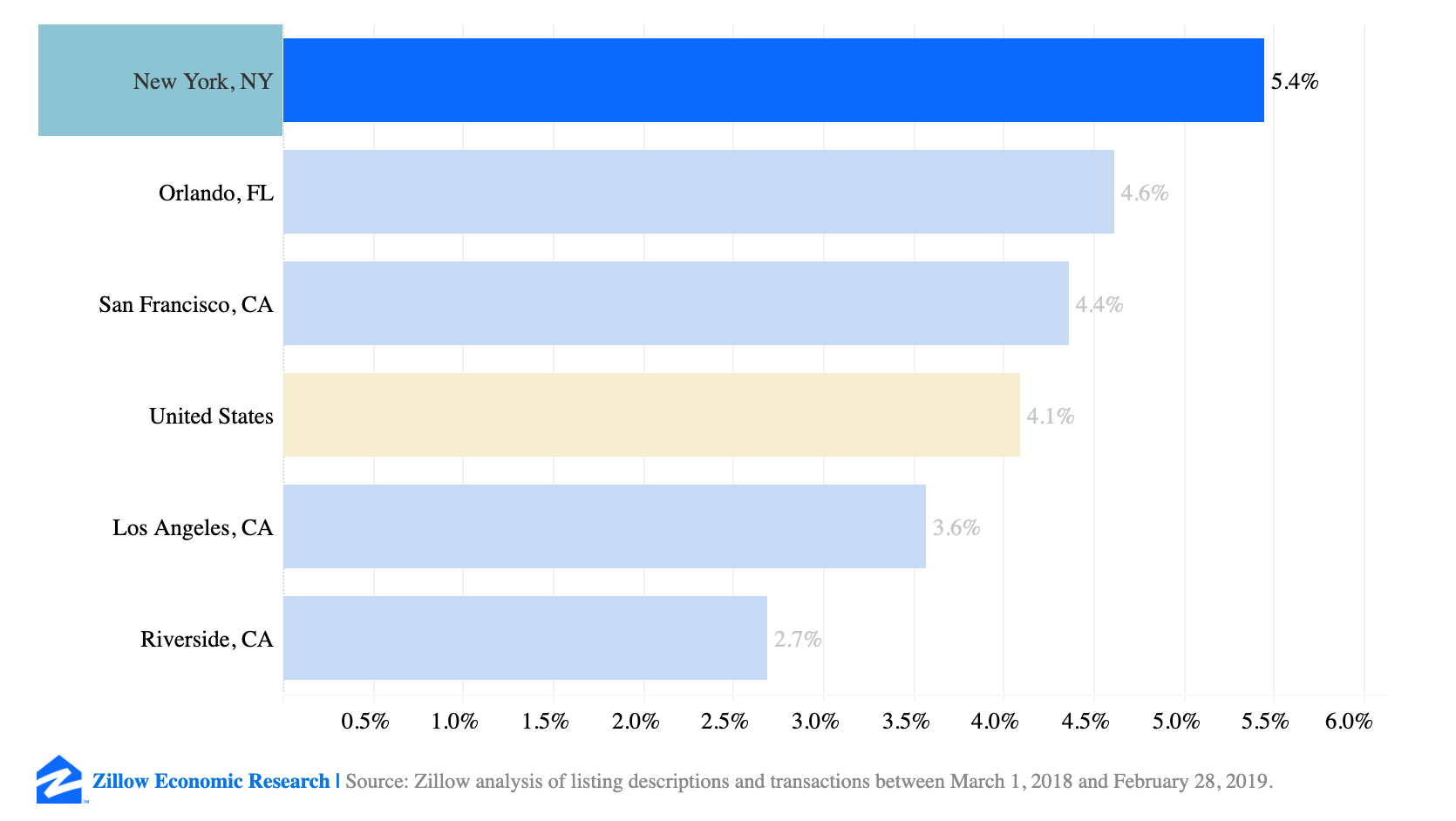
National Renewable Energy Laboratory (NREL) estimates that home value increases by $20 for every $1 saved on electricity bills. With NYC’s high energy costs, solar panels can lead to significant energy cost reductions, further boosting value.
Do Solar Panels Affect your Property Taxes?
In New York City, solar panels are exempt from property tax increases for 15 years for the assessed value they add to a property. This means that even as solar increases your home’s value, you won’t see a corresponding increase in property taxes.
New York City also has a unique incentive (only available to the five boroughs) called the Property Tax Abatement (PTA). NYC’s PTA for solar covers 30% of your solar panel installation costs. It reduces your property tax bill from the New York City Department of Finance incrementally for 4 consecutive years. New Yorkers who install solar electric systems on both residential and commercial properties that they own can claim this abatement.
Maximize Your Solar Investment with Tax Credits and Rebates
In addition to increasing your home’s value, going solar in NYC can also result in significant savings through tax rebates and credits. Federal, state, and local incentives can help offset the upfront cost of solar installations and accelerate your return on investment. NYC homeowners can qualify for the following incentives:
- NYS Solar Income Tax Credit: Covers 25% of solar system costs (up to $5,000)
- NYS Solar Rebate: Covers $0.20 per watt of solar installed, paid directly to the installer then passed in full to the customer
- NYC Property Tax Abatement: Covers 30% (over 4 years) of solar system costs
- NYS Historic Homeownership Rehabilitation Tax Credit: Covers 20% of solar system costs for qualified homes
- Federal Income Tax Credit: Deduct up to 30% of solar system installation costs from your federal income tax
Your home could save more than 75% on your solar project. See what incentives your home qualifies for today with a free consultation.
It’s Time to Go Solar in NYC
With NYC’s commitment to clean energy and the potential for increased property value and significant savings, there has never been a better time to go solar in the city.
Take advantage of available incentives, choose local solar experts, and watch as your home becomes not only more sustainable but also more valuable in the eyes of potential buyers. Make the switch to solar today and reap the rewards for years to come.
Are you a homeowner in New York City interested in going solar? Get Started
New York City has some of the best solar tax incentive offerings in the country, reducing the cost of most solar projects around 50%. One of these tax benefits is the NYC Property Tax Abatement, available for property owners within the five boroughs.
Read to learn more about this valuable incentive and how to take advantage of it when you go solar in NYC.
What is the NYC Solar Property Tax Abatement?
NYC’s Property Tax Abatement for Solar is an incentive unique to the five boroughs, meant to encourage the adoption of solar energy throughout the city.
NYC’s PTA for solar covers 30% of your solar panel installation costs. It reduces your property tax bill from the New York City Department of Finance incrementally for 4 consecutive years. New Yorkers who install solar electric systems on both residential and commercial properties that they own can claim this abatement.
To be clear, this is not a tax exemption. This is a tax abatement, which lowers the amount of property taxes you owe by applying a credit (as opposed to reducing the property’s assessed value). The amount of the abatement is based on total installation costs, which includes the costs of solar PV equipment and labor.
How does the NYC Property Tax Abatement relate to solar?
NYC’s Solar Property Tax Abatement program was implemented to help support and incentivize solar installations in the city. This incentive was established in 2007 as part of Mayor Bloomberg’s PlaNYC initiative to create a more sustainable city.

Who is eligible for the Solar Property Tax Abatement?
Property owners who install solar on their property anywhere within the five boroughs are eligible to claim the solar PTA. This includes condo and co-op owners, and can apply to historic and landmark buildings as well.
Will it affect my eligibility for other solar tax incentives?
It’s important to note that claiming the NYC Solar PTA does not affect solar owners’ eligibility for other incentives. In addition to the 30% Property Tax Abatement, NYC residents who install solar can also claim:
- $5,000 New York State Solar Income Tax Credit
- 20% Historic Homeownership Rehabilitation Credit (depending on your location)
What installation costs are eligible for the solar property tax abatement?
All costs involved with installing a solar electric generating system are eligible for the property tax abatement. This includes:
- Solar PV equipment
- Labor costs, including system design and installation
- Battery storage (including storage retrofits to existing solar PV systems)
How to File for the NYC Solar Property Tax Abatement
Typically, you’d file for solar tax credits on your own when you do your federal and state tax returns. However, the NYC PTA for solar is different – when you go solar with us, we’ll file for the abatement on your behalf with the New York City Department of Buildings during the permitting process.
When is the deadline to file?
The Department of Buildings determines eligibility for the abatement, but the Department of Finance administers it. New York’s fiscal year for property taxes runs from July 1 to June 30. Applications must be received by March 15th in order for the abatement to take effect within the same calendar year.
Although no action is required on your part, you can take a look at the Department of Buildings’s Form PTA4 if you’re interested in seeing what information will be filed.
Get Started with Solar to Claim Your Property Tax Abatement
New York City’s Solar Property Tax Abatement is an incredibly valuable incentive for property owners to install solar, reducing your project costs by 30%. When combined with other incentives, your solar costs could be covered by 50%! Find out if your home is right for solar today:
Following major changes to California’s net metering program, you may be wondering if the current net metering system could be going away in New York too. At a time when major solar states like California are making policy decisions that devalue home solar, New York’s policies could be brought into question too.
Read to learn about what happened in California and what it means for Con Edison’s net metering program in New York City.
What is net metering?
Simply put, net metering is a billing mechanism that credits solar owners for electricity that they export into the grid.
As a residential solar owner in NYC, you remain connected to the grid. After your solar PV system is installed, Con Edison will keep track how much energy is flowing in and out of your home.
During the daytime, your solar system will likely produce a lot more energy than your home actually needs. All of that excess energy feeds back into the grid, and you’ll receive credits for it on your future Con Ed bills. These credits are then used up at times when your home needs more energy than your solar system is currently supplying, like at night or on a very rainy day.
What are the financial benefits of net metering?
Through this program, NYC solar owners are able to bank a ton of credits during the summertime and see their bills drastically reduced all year-round. The current system in NYC values solar at the retail rate, meaning your solar power is just as valuable as grid electricity and will increase in value over time as retail rates rise.
Net metering in its current form could be considered a virtual battery – it allows you to utilize the full value of your solar production even when the sun isn’t shining. This is important because FDNY currently does not allow solar batteries in residential settings. Net metering ensures New Yorkers benefit financially from all of the energy their solar systems produce.

Is net metering the same for all states?
Net metering programs differ across the country, as they’re determined by states and utility companies. In some arrangements, like here in New York City, Con Edison values solar at the retail rate. Other programs, however, value solar at less than retail or at a predetermined amount.
Unfortunately, as interest in home solar grows across the US, net metering policies from state to state have been under scrutiny.
What happened to California’s net metering program?
For a long time, special interests and opponents to solar have been attempting to enact changes to California’s net metering program. Previously, there was a proposal to implement a monthly charge of up to $50 for solar owners – essentially a solar tax.
While that proposal was not approved, in December of 2022, California’s Public Utilities Commission approved a plan to reduce the value of solar exported into the power grid by an average of 75% (!). This new policy will affect customers who install solar systems starting in April 2023 in the service areas of CA’s three investor-owned utility companies – 75% of the state’s population.
Under the new policy, Californians won’t be able to reap the benefits of net metering – instead, they’ll be subject to “net billing.” Net billing compensates solar owners on an avoided-cost basis, meaning the utility decides how valuable the power export is based on when and where it’s produced.
Needless to say, this policy change is a major blow to California’s solar industry. It drastically reduces the immediate savings that families receive from installing solar, and increases the payback period by several years. As a result, home solar will be far less affordable and accessible to California residents – at a time when climate-related natural disasters continue to escalate and energy costs continue to rise.
What does this mean for New York’s net metering policies?
Policy changes like California’s represent a growing trend of efforts to reduce the growth of solar in the US, often influenced by political opponents and utility and fossil fuel interests. In recent years, states such as Nevada, Hawaii, Florida, and North Carolina have all seen similar proposals and bills meant to undermine solar.
New York is no stranger to uncertain solar policy either. The state’s utilities have sought to change net metering here too – most recently, a monthly solar tax from Con Edison was implemented for new solar owners as of January 2022.
For now, net metering in New York City is safe. But there have been changes, and there will likely be more. If California – the largest solar market in the country – can enact anti-solar policies like this one, it’s not implausible that it could happen here too.
Go Solar Now to Lock in 20 Years of Savings
It’s not all bad news though! If you’re considering solar for your home in NYC, the benefits of net metering are still available to you. If you go solar now, you’ll be locked into Con Ed’s current net metering arrangement for the next 20 years. So, even if there’s a chance that net metering could go away in New York, your savings will be safe.
Get ahead of the uncertainty and go solar now! Schedule your free consultation & learn if your home qualifies for solar.
Solar is a necessity. It is imperative that we shift our energy needs away from fossil fuels and towards renewable energy. This shift needs to happen at an industrial scale, but it also needs to happen for homeowners, and it can – right now. However, waiting on solar has consequences beyond the obvious climate challenges ahead of us.
Like everything in our world, there are forces working for and against solar. As you most likely know by now, the global supply chain has caused a number of issues across industries. From longer lead times to higher material costs, the solar supply chain is no exception. It’s important to us that we’re transparent with our customers about how these issues are affecting us as a business. Read on for what you need to know about how supply chain disruptions are affecting solar.
How is the supply chain impacting the solar industry?
Over the course of the pandemic, every aspect of global commerce has undergone major changes. These changes have caused disruptions on every level of the supply chain across industries, solar included. Not only is the supply chain an issue, but the solar industry also faces uncertainty stemming from federal policy. As a business, we’re seeing the effects of these disruptions in real time.
Rising material costs
Key elements in the manufacturing of solar panels are rising in price. Materials like steel, aluminum, and polysilicon have seen cost increases of more than 10 percent. These price increases haven’t affected the cost of most solar projects yet, but will certainly make an impact for customers starting in the new year.
Longer lead times
Over the summer, lead times across sectors reached record highs. Lead times for solar materials are still seeing delays of anywhere from four to eight weeks. This makes it difficult to maintain inventory and plan for future projects as expected.
Chip shortages
The pandemic has also caused a global shortage of semiconductor chips, hitting the automotive and electronics sectors particularly hard. When it comes to solar, chips are particularly important for components of a solar system like electric meters and inverters.
Federal policy on solar imports
In June, U.S. Customs and Border Protection issued a Withhold Release Order on silica-based products from China’s largest polysilicon provider, Hoshine Silicon Industry, due to forced labor concerns in China’s Xinjiang region.
The panel manufacturer that BSW uses, REC, is based in Singapore and was not implicated in this terrible human rights situation. But because the panels we use are more accessible than other brands on the market (that are being held at import), they are seeing a surge in demand. Couple that with material shortages, and it means prices go up and lead times extend.
In 2018, former President Trump ordered tariffs on foreign solar panels and cells, which began at 30 percent and have since decreased to 18 percent. These tariffs are set to expire in 2022, and President Biden will have the final say on whether or not to extend them. The President’s impending decision will no doubt affect the expansion of solar in the U.S. for the foreseeable future.
We want to emphasize that despite some solar supply chain disruptions, there’s never been a better time to install solar in NYC. If you’ve been considering making the switch, we urge you to get ahead of the uncertainty while you still can. No matter what, BSW is committed to maintaining transparency and being there for you every step of the solar process.
Ready to flip the switch to solar? Schedule your free consultation.
Want to revisit your custom solar proposal? Contact our team at info@brooklynsolarworks.com.
Just last month, Governor Hochul committed to increasing New York’s minimum distributed solar energy goal to 10 gigawatts by 2030. New Yorkers elected leaders who passed the Climate Leadership and Community Protection Act in 2019, a law to tax polluters and invest in clean energy jobs.
Despite bold climate goals, the State is implementing policies that tax solar in NYC and make it more inaccessible. Governor Hochul has the ability to intervene before the end of the year. Let’s hold our leaders and the Public Service Commission to their word.
New York’s community solar credit has ended
The New York Public Service Commission (PSC) authorized the Community Solar Credit in April of 2020. This credit subsidized 350 megawatts of community solar projects in Con Edison’s territory — New York City and Westchester. This was an initiative that offered flexibility for community solar that hadn’t previously existed, driving growth of the market unlike ever before. But the funding source for this credit has run out.
The funds have dried up…due to the State’s financing of fossil fuels
Due to a loophole in the program, the New York Green Bank — funded by electric customers — used nearly half of the community solar fund to finance natural gas fuel cell projects. Rather than further subsidizing clean, zero-emissions energy, the State instead financed more fossil fuel systems.
What’s more, this program has essentially been left in limbo. The community solar fund has dried up, and there’s been no effort by the State or PSC to replenish it.
Earlier this year, NYSEIA and New York City petitioned the PSC to replenish the incentive to make up for the amount allocated toward natural gas projects and to further the program. The PSC announced a forthcoming report about the future of solar in NYC, expected to be released this fall. But until that happens, community solar development in NYC is stalled.
Community solar is NYC’s path towards achieving climate goals
The community solar program has been incredibly beneficial in spreading solar in NYC. With two-thirds of New Yorkers renting their homes rather than owning, home solar is not feasible for everyone. But community solar allows those who rent and those with lower incomes to benefit from clean energy without having to own the system. Con Edison estimates that there are around 9,000 electric customers in its territory that receive energy generated by community solar systems.
Further, it goes without saying that development in NYC is expensive and complex. Without support from the State’s community solar credit, many of these projects lose financial viability.
With a low percentage of homeowners and high development costs in NYC, community solar is the answer to New York’s clean energy goals.
A tax on New York solar is coming
The ending of the community solar credit is not the only way New York is undermining its goals. NYSERDA announced last year that Phase One Net Metering (net metering as it is now) will no longer be available for solar projects starting January 1, 2022. Also starting next year, Con Edison will be charging new solar customers a Customer Benefit Contribution (CBC) charge, as directed by the PSC. Both of these policy changes were implemented to address cost-shifting.
Like the community solar credit, the current Net Metering program has been instrumental in the spread of solar throughout NYC; yet this new charge disincentivizes the investment in solar. When it comes to cost shifting, the truth is that solar owners account for only about 1% of total electric customers in the state. Thus, any cost shifting that occurs cannot be very significant.
Making the switch to clean solar energy is a significant financial investment that benefits the entire grid; however, it will now result in an extra charge from Con Edison. This charge will unfairly target solar customers and therefore stunt the growth of residential solar in NYC.

Governor Hochul & the State still have time to act
With ambitious climate goals and a population that supports the Climate Act, New York’s solar industry should be thriving. Yet, there is a clear disconnect between the State’s clean energy goals and its current solar policies. But there’s still time to intervene.
BSW joins NYSEIA in calling on Governor Hochul and the PSC to take action before the end of the year. The Governor and the PSC should work to replenish the community solar credit. They should also postpone fees on residential and commercial solar installations until the impact of imposing a solar tax within the context of New York’s climate goals is fully analyzed by an independent party.
We appreciate all that Governor Hochul is doing for clean energy in our state. But we encourage her to continue taking the lead to ensure New York can fully realize its solar goals by preventing the enactment of policies that undermine progress.
If you want to see New York stick to its word on clean energy goals, we encourage you to make your voice heard.
Contact the New York State Governor’s office HERE.
Find your New York State Assembly member’s contact information HERE.
Find your New York State Senator’s contact information HERE.
Our CEO, T.R. Ludwig, and EmPower Solar CEO David Shieren talked to Crain’s New York Business about New York’s solar future. Read their op-ed here.
In light of rising COVID cases in NYC due to the Delta variant, we want to take the time to relay our updated health & safety protocol. We have always prioritized the safety of our customers and staff. As the situation with Delta becomes more uncertain, we remain committed to this.
As you know, safety recommendations can and will likely change in accordance to the CDC and New York state recommendations. You can count on us to keep up with the latest recommendations by the state and federal government.
Effective this week, we’re implementing the following precautions:
- Regardless of vaccination status, all BSW employees will be required to wear masks inside all customer and company premises.
- All BSW employees will be required to show proof of vaccination OR a negative PCR test at the start of each week.
Thank you all for your support and cooperation. Email info@brooklynsolarworks.com to get in touch with our team if you have any questions!


Does Tesla customize their solar solution for each home?
The answer is no. The company uses a standardized approach to Tesla solar roof sales, offering four system capacity options. This has simplified their sales process, but goes against the industry-standard customized sales approach. Typically a customer’s system will match their system production to energy consumption. Tesla solar roof runs a greater risk of inaccurately sizing the system. Therefore production may not fully offset a customer’s energy consumption.
Unlike suburban family homes, many NYC solar seekers require relatively small systems to meet their needs. At BSW we see opportunity in custom jobs. We have made serving low energy customers a core part of our business and regularly realize projects deemed too small or too large to install by our competitors. Our goal is to ensure that your system matches up to your specific usage.
Ready to get started with solar? Schedule a Free Consultation

Where does Tesla install?
Tesla’s website accepts orders for its retrofit solar panels in 24 locations. They list Arizona, California, Colorado, Connecticut, Delaware, the District of Columbia, Florida, Hawaii, Illinois, Maryland, Massachusetts, Nevada, New Hampshire, New Jersey, New Mexico, New York, Oregon, Pennsylvania, Rhode Island, Texas, Utah, Vermont, Virginia, and Washington.
FDNY fire code does not allow for installing Tesla’s Powerwall battery which collects excess solar energy that has been produced.
Does Tesla install on flat roof buildings?
Unfortunately for homeowners with flat roofs, Tesla’s solar roof will not be an option. The minimum roof pitch eligible for a solar roof installation is 3:12 (or 14 degrees). This puts the Tesla solar roof at a disadvantage considering standard solar panels can work on all roof types. The most effective solar option on flat roofs is either a tilt rack system or a solar canopy.
Solar production aside, we do not recommend solar tiles for flat roofs due to waterproofing issues.
BSW’s solar canopy elevates solar arrays 9 feet above the roof surface, obstructions, fire paths, shade & amenities. This strategy maximizes solar performance on otherwise unworkable or flat roofs.
Interested in a solar canopy for your home? Schedule a Free Consultation


Is Tesla solar roof worth it for New York City homes?
If you want to own a Tesla solar roof, you’ll need to provide a large payout. Not to mention – a huge amount of patience, as it could take years for the solar roof to get installed. Another point to note is that roof tiles replace an existing roof. This narrows the market to homeowners who either need a new roof or are willing to pay to remove a perfectly good roof and replace it with tiles. For flat roof homeowners, this is not a concern since flat roofs do not require traditional roofing to begin with.
Rooftop solar can be completed in just a few months for New Yorkers. Our turnkey process and strong relationships with city departments makes qualifying, permitting, and installing a breeze. Not to mention our competitive warranties and product quality. We’re very proud to extend to local homeowners the convenience, environmental impact and attractive financial return that solar ownership promises.
Get started with solar today! Schedule a Free Consultation

For the former Vice President, global warming is an era-defining challenge, and combating it is an economic opportunity.
Presidential candidate Joe Biden knows there is no greater challenge facing our country and our world than climate change. His plan connects tackling climate change with the economic recovery from the coronavirus crisis, while also addressing racism. Now that’s something we can get behind.
Biden’s Build Back Better plan ensures that – coming out of this profound public health and economic crisis, and facing the persistent climate crisis – we are never caught flat-footed again. This ambition leverages commitments made under NYC’s landmark Climate Mobilization Act, the greatest decarbonization law at the municipal level nationwide.

Brooklyn SolarWorks is proud to be a part of Clean Energy for Biden. This is a network of 7,000+ clean energy professionals, advocates, and business leaders. We’re motivated by our shared values, beliefs and commitment to electing Joe Biden as President of the United States.
At our core, BSW is dedicated to furthering clean energy solutions for New York City. We want to ensure that solar and other sustainable alternatives are accessible and at the forefront. We’ve seen the need for a more resilient economy for the long-term, and that means investing in a modern, sustainable infrastructure and sustainable engines of growth. Biden will soon release updated proposals to meet the climate crisis, build a clean energy economy, address environmental injustice, and create millions of good-paying union jobs.
Clean Energy for Biden panel
On September 14th, BSW CEO T.R. Ludwig joined other prominent NYC sustainability leaders for a Clean Energy for Biden virtual fundraising panel. This was held in support of Vice President Joe Biden, Senator Kamala Harris and their ambitious environmental justice agenda. Panelists included Costa Constantinides, NYC Council Member & Environmental Protection Committee Chairman, Tonya Gayle, Chief Development Officer at Green City Force, and Marcela Mulholland, Deputy Director for Climate at Data for Progress.
This was an intimate conversation on NYC jobs, justice, and the role of policy when it comes to addressing climate change. The discussion ranged from the realities of food desserts in our city to the need for more solar & green roof development. Everyone agreed that the Trump administration is taking the nation backward on clean energy and will continue to do so if given the opportunity.


Top Quotes
“If we’re able to replace Rikers with clean energy, we will be able to create enough energy to close every peaker plant in NY that has opened in the past 20 years.” – Costa Constantinides, Council member for the 22nd District of the New York City Council
“For as much as you may see electric vans, you’ll be seeing much more solar and renewable energy. It’s going to be a staple business for the future. Why would you waste the beautiful sun on our roofs?” – T.R. Ludwig, CEO of Brooklyn SolarWorks
“Making climate a central issue in the general election is extremely favorable for Biden to be campaigning on.” – Marcella Mulholland, Deputy Director for Climate at Data for Progress
Phone Banking
Brooklyn SolarWorks staff members are participating in weekly virtual phone banks with the National Clean Energy for Biden organization. Volunteers call in battleground states to both sway undecided voters and help decided voters make plans for election day. Weekly phone banking efforts are led by the national team. There are guest from the industry to discuss why this election result is vital for clean energy supporters. Last week Jigar Shah spoke to provide insight and get everyone in the spirit!
Want to join us in our virtual phone banking efforts? Email hello@brooklynsolarworks.com to get on board!

Ways to Show Support
If you have any interest in supporting Clean Energy for Biden, there are plenty of opportunities. Voter outreach events are scheduled throughout the fall, leading up to the election. There are various fundraising events featuring renowned panelists that are leaders within government, climate change, renewable energy, education, and cinema. Please consider joining this organized effort to elect Joe Biden and prioritize the advancement of policies, technologies and investments to address the climate crisis.

We have always prioritized the safety of our customers, and in these uncertain times, it’s no different. That’s why we are practicing and enforcing best practices for social distancing and self-isolation in the midst of COVID-19. Our install team is tested weekly, and the majority of our staff is working virtually.
As you know, safety recommendations — including those for our our customers and staff — can and will likely change in accordance to the CDC and our state recommendations. You can count on us to keep up with the latest recommendations by the state and federal government.
Virtual consultations, regular testing, diligent sanitation, and limited contact will help us to stay safe. Thank you for your cooperation. Please get in touch with our team at info@brooklynsolarworks.com if you have any questions!


If you own a solar system, it’s likely that you produce excess energy which is returned back to the grid. In New York City, Con Edison compensates you for this excess energy through a process called Net Metering. With this system, you’re credited at the current retail rate for kilowatt hours sent to the grid by your solar system.

For New Yorkers considering solar, be aware that ConEd will likely be moving away from Net Metering. But to what, we do not know.
Future Alternatives to Net Metering
In support of Reforming the Energy Vision, the New York State Public Service Commission has established a new method of compensating distributed energy resources, like solar power. This Value of Distributed Energy Resources (VDER) or the Value Stack, might replace the current full retail value net metering program.
ConEd’s Value Stack would allow the utility to decide the value of your solar power based on when and where they provide electricity to the grid. Under this program, your solar power will be considerably undervalued.
Compensation for energy under net metering is fairly straightforward—kilowatt hours in exchange for kilowatt hours. The value of your solar is pegged to the retail rate of power. The Value Stack is less predictable due to the multiple factors that make up the calculation, so it’s more difficult to estimate compensation. Therefore, compensation with net metering is, in most cases, higher than the Value Stack. To sum it up – you’ll be getting less bang for your buck with VDER.
It is unclear if ConEd will transition from Net Metering to the Value Stack. They may even propose an entirely different program. This makes the future of solar in NYC a bit murky.
What NYC Homeowners Must Know
On July 17th 2020, NYSERDA announced that Phase One Net Metering will be available for projects interconnected before January 1, 2022. This reflects a one-year delay in the planned implementation due to the impact of the COVID-19 pandemic. Projects that qualify for Phase One Net Metering will continue to receive it for twenty years post interconnection.
At this point in time, projects interconnected on or after January 1, 2022 will receive net metering but will be charged a monthly Customer Benefit Contribution (CBC) based on the DC nameplate rating of the solar system. The CBC is expected to be initially calculated at between $0.69-$1.09/KW DC monthly depending on service class and location, and will appear as a charge on the customer’s electric bill. For residential customers considering a solar installation, the Staff proposed CBC would reduce potential bill savings by over 20%.
One thing we’re certain of is that there are changes ahead. The current Net Metering program offered by ConEd makes realizing the savings from solar easy and straightforward. Don’t step into the unknown after 2022 – take charge of your future and go solar now!
Questions? Reach out to our team at 347-318-4771 or schedule your free consultation.
The best part of Thanksgiving is reflecting on what and who we’re grateful for. This year, Brooklyn SolarWorks pondered the luxury of light. We’re so proud of the fact that we help New Yorkers attain electrical independence every single day. This got the BSW team thinking about those who don’t have the simple comfort of flipping a light switch every night when it becomes dark.
In many communities around the world, as soon as the sun goes down, children can’t study, businesses must close, and women are less safe walking outside. The energy options are usually either unaffordable, unreliable, or non-existent.
This inspired us to partner with our Brooklyn-based solar friends at MPOWERED by taking part in their Give Luci program. The program enables anyone to donate solar lights which are primarily used for search & rescue missions as well as disaster relief. In an everyday context, these solar lights help to improve community health, safety, and education initiatives. So far, the program has spread solar to over 3 million people.
Brooklyn SolarWorks donated 100 solar lights which will be distributed to those living without access to clean, reliable, or affordable energy. This clean energy option will provide a more economical and environmentally friendly approach to everyday tasks.
Happy Thanksgiving,
Brooklyn SolarWorks
On Friday Brooklyn SolarWorks hosted Swiss Public Radio correspondent Isabelle Jacobi at our HQ in Gowanus to discuss the state of solar. Following a short tour through our office and chats with some members of staff, Ms. Jacobi sat down with BSW C.E.O. T.R. Ludwig for a wide-ranging conversation about the state of solar in New York, and the potential implications of new and extremely ambitious state and city climate protection laws for local solar business. As SRF’s Washington correspondent, Ms. Jacobi also wondered whether federal level policy decisions by the current White House administration are filtering down and having local impacts on solar adoption.
Für unsere lieben deutschsprachigen Kunden – the segment is scheduled to stream on the German language site on Tuesday July 23rd. We’ll be sure to share it here and by social media when it does. Genießen!
Brooklyn SolarWorks was prominently featured in a new article on solar adoption in the New York Times’ Real Estate section on Monday, July 8. Written by staff writer C.J. Hughes, the piece reports on the recent growth of solar in NYC and the different factors contributing to this trend. We are one of only a handful of NYC-based residential installers and we specialize in serving flat roof, brownstone Brooklyn, so it was hardly a surprise that company co-founder and CEO T.R. Ludwig was invited to offer his insider perspective on local industry trends for the article.
Brooklyn SolarWorks canopy customer and Park Slope resident Alfred Ling is also quoted extensively about his experience as a solar owner in a community that was, until only very recently, a virtual “no go” zone for the solar industry. Drawing on public data published by New York State, the article specifically calls attention to BSW’s impressive solar adoption growth rate since 2015 in Park Slope, Prospect Heights and Clinton Hill, three neighborhoods at the core of our service area.
(Curious how many installations we’ve completed in your neighborhood? Just type your zip code into handy Customer Map to find out.)
This article marks the second time that Brooklyn SolarWorks has appeared in the Times. Earlier features in Wired, Bloomberg, and Brownstoner cover many of the same themes, and also underscore the link between BSW’s unique business approach and increased solar adoption in New York.
 T.R. Ludwig, CEO and Founder
Gaelen Mckee, President and Founder
Mark Cunningham, CTO and Founder
Welcome to our new website!
Since first opening our doors in 2015 we have completed over 600 solar projects in Brooklyn and have had thousands of conversations with local homeowners. Needless to say, we’ve learned an enormous amount through these experiences and exchanges along the way. In conceptualizing the design and content of the new website, making sure that this hard earned knowledge was reflected and shared back for the benefit of our future customers was our top priority. We think we’ve succeeded and we hope you agree.
As you’ve probably already discovered the website is packed with many useful resources and tools for the NYC solar seeker. One feature that we’re particularly excited to share is our new solar options gallery located right on our home page. What distinguishes Brooklyn SolarWorks from other solar companies in the region is our expertise in making solar possible for different types of urban properties and challenges, like flat roofs, that are common to our borough. The gallery provides easy to understand profiles of six of our most common installation types, each tailored for different categories of customer need. We also think that customers will find helpful our Anatomy of a Solar System page, which offers a visual guide to Brooklyn solar system design.
We would like to give a huge shoutout to our amazing site developer Bushwick Design for helping us completely overhaul our presence with this website. Efficient, responsive and full of creativity, we couldn’t have asked for a better collaborator in this young and fellow Brooklyn based company.
Please explore, learn and enjoy. As with everything we do at BSW, we welcome any suggestions and ideas that would improve the site further and make it more valuable to you as you explore solar opportunities for your home or business. Please don’t hesitate to reach out and share any feedback you have.
Shine on,
T.R. Ludwig, CEO and Founder
Mark Cunningham, CTO and Founder
Gaelen Mckee, President and Founder