How Well Do Solar Panels Work in NYC During the Winter?
Dec 17, 2025One of the biggest myths about solar panels is that they don’t work in the winter. Solar panels need light, not heat, to produce electricity, which means they can still…


Subscribe to our monthly newsletter to keep up with us and learn about the latest in solar and sustainability in New York City.
If you’re an NYC homeowner considering rooftop solar panels, questions like these may have crossed your mind: How do I store the energy my system produces? What happens at night when there’s no sun? If these questions are at the top of your mind, we have two words for you: net metering!
Simply put, net metering is a billing mechanism that allows you to store your solar energy as a retail energy credit to be used at a later date.
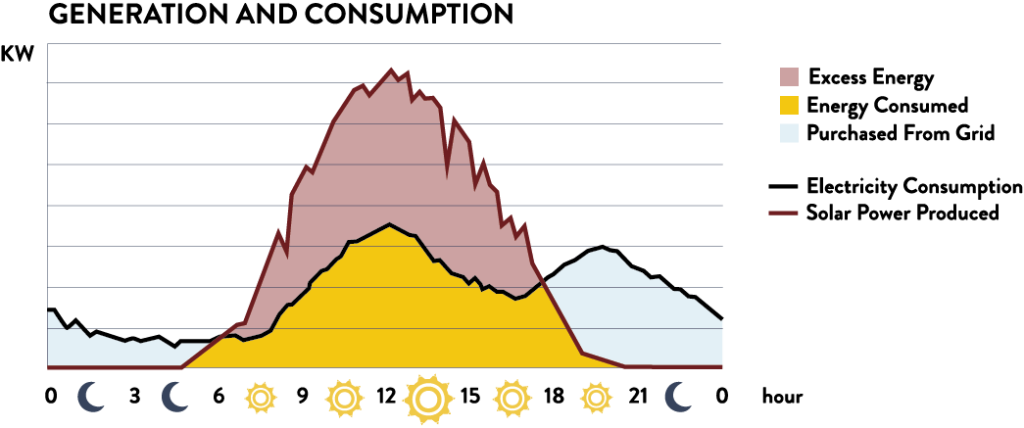
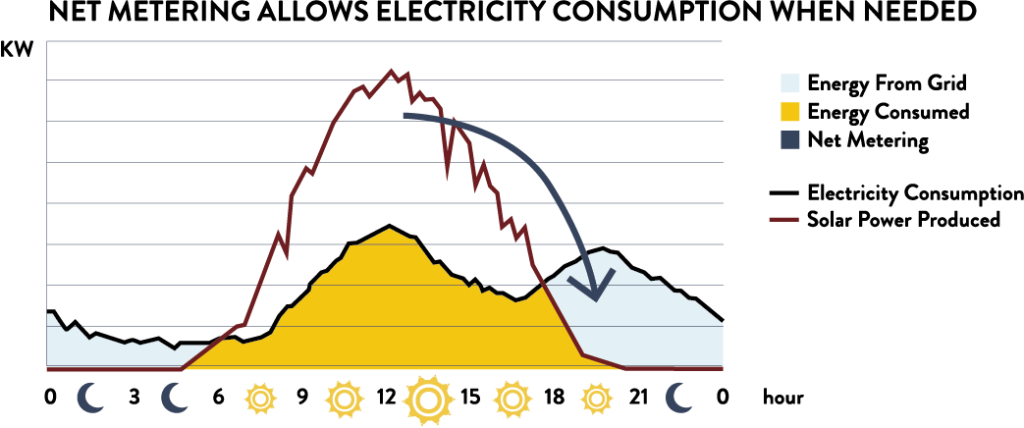
Net metering is one of the best solar incentives available in New York City. Instead of going to waste, unused solar power is automatically sent to the electric grid and stored as a credit on your Con Edison account. Your credits then offset the cost of electricity you buy from Con Ed when your solar panels are not producing electricity.
Simply put, net metering is a billing mechanism that allows you to store your solar energy as a retail energy credit to be used at a later date.
You can think of net metering like a virtual battery with Con Edison, which is great because residential home batteries are currently not permitted in NYC. Unlike an actual battery, net metering requires that your home is always connected to the grid. This is helpful so that you can pull extra energy from the grid whenever you need it.
In NYC, we’re very lucky to have 1-to-1 net metering. That means Con Edison credits you at the full retail rate of electricity for every kWh you send to the grid. So, if your electric rate is 26 cents per kWh, for example, and you export 1,000 kWh of solar electricity to the grid in a given month, Con Ed will credit you for 1,000 kWh at 26 cents per kWh, which is equal to $260.
Because it’s a true 1-to-1 exchange of kWh exported to kWh credited, as electricity rates increase over time, the value of your solar energy increases right along with them.
To give you a better idea of how net metering works with your bill, let’s look at a simple example:

Here’s an example of what your Con Ed bill would look like after going solar. Con Ed will provide a net metering summary, which compares your stored credits to your consumption.
Here’s a closer look at how NYC net metering works when you go solar as a Con Ed customer.

You do not have to install a new electric meter when you install solar panels in New York City. After your solar array is installed, Con Edison will make a simple software change to your existing smart meter. This change enables Con Ed to track the amount of energy your system is exporting to the grid, which allows the company to compensate you on your future electric bills.
Net metering is a big part of the reason why solar panels are such a good investment for New York City homeowners. It helps you save more money with solar panels, speeding up your payback period and increasing your return on investment.
Here’s how net metering saves you money:
Any extra electricity your solar panels produce during the day is sent back to the grid and credited to your account. Those credits automatically offset the cost of grid power you buy at night, so you’re still benefiting from your solar production even when your system isn’t actively generating power.
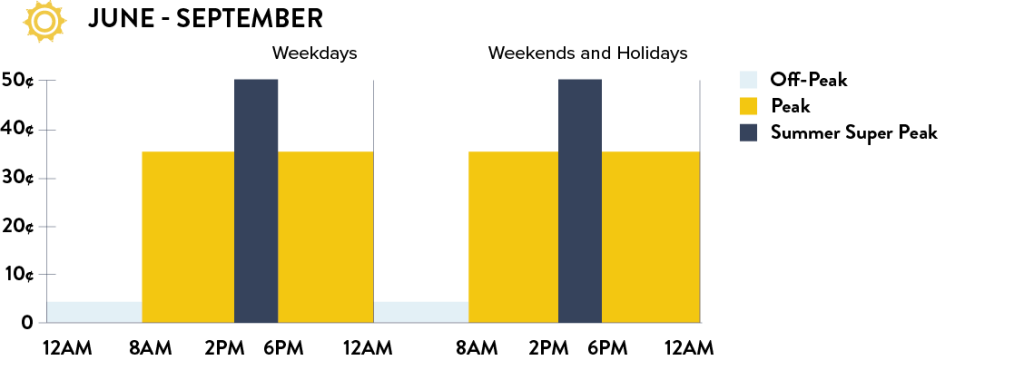
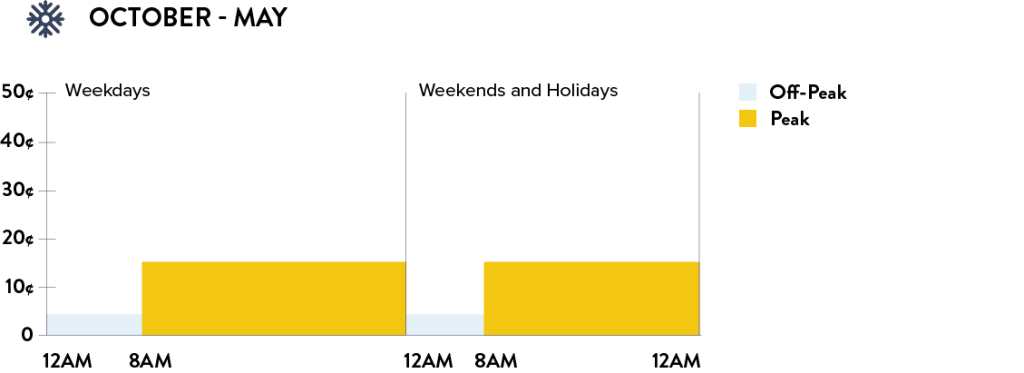
Net metering helps smooth out seasonal swings in solar production. Your credits roll over month to month, so you can bank them during the long sunny summer days and use them in the winter, when the days are shorter, and you’re buying more power from the grid.
Without net metering, excess solar energy would simply go unused. Net metering ensures you benefit from every kilowatt-hour your system produces.
Want to learn more about the solar incentives you qualify for?
Net metering not only benefits you as a homeowner, but the community and economy overall. It reduces the need for costly transmission upgrades and new electricity generation by adding clean energy supply directly to the grid, which contributes to overall reliability and helps New York meet its climate goals.
This added supply is especially valuable during the hot summer months, when Con Ed is sending us alerts to lower our air conditioners because the grid is strained. Solar helps relieve the pressure by feeding extra power into the grid so we can all stay comfortable in the heat.
Net metering also increases demand for solar panels, which creates jobs for the installers, electricians, and manufacturers who work in the solar supply chain. The solar industry currently employs over 250,000 American workers in large part due to strong state net metering policies, which have allowed it to thrive.
New York City currently offers one of the best net metering programs in the country. If you install solar panels now, you can lock in Con Edison’s current 1-to-1 net metering rate for 20 years.
However, net metering rules are subject to change. By starting your solar installation now, you can secure today’s incentives, protect yourself from future utility rate increases, and maximize your long-term savings.
One of the biggest myths about solar panels is that they don’t work in the winter. Solar panels need light, not heat, to produce electricity, which means they can still…
If you’ve opened a utility bill lately, you know electricity costs are going up in New York City. The best way to avoid rising costs is by generating your own…
If you’re a Con Edison customer in New York City, going solar isn’t just possible—it’s easier than you might think, especially with an experienced local installer. At Brooklyn SolarWorks, we…