How Well Do Solar Panels Work in NYC During the Winter?
Dec 17, 2025One of the biggest myths about solar panels is that they don’t work in the winter. Solar panels need light, not heat, to produce electricity, which means they can still…


Subscribe to our monthly newsletter to keep up with us and learn about the latest in solar and sustainability in New York City.
The Gowanus Canal, a waterway that goes through the heart of Brooklyn, is famous for its rich history and copious amounts of industrial pollution. However, recent efforts have been underway to clean up the canal’s murky waters and revitalize its surrounding ecosystem.
In honor of Earth Month, we’re highlighting environmental issues that hit close to home (so close we can smell it from our office). Read on to learn about the canal’s past, present, and future and how you can contribute to a cleaner NYC.
Dating back to the 1860’s, the Gowanus Canal was built to extend the industrial transportation route of the Erie Canal and New York Harbor into Brooklyn (the third largest city in America at the time). Businesses began to populate around the canal. Some of the popular industries around the canal included cement works, chemical plants, ink and paint factories, incinerators, and Manufactured Gas Plants (MGP).

This rapid industrialization of the canal led to rampant pollution (untreated industrial waste, raw sewage, surface water), turning the canal into one of the most polluted waterways in the United States.
To try and combat the growing pollution in the waterway, a “Flushing Tunnel” was created in 1911 to replace the stagnant canal water with fresh, oxygen-rich water to improve water quality. This plan worked well until the 1960s when a mechanical failure caused it to shut down. The New York City Dept. of Environmental Protection restored and reactivated the Flushing Tunnel in 1999. Upgrades were last made in 2014.
Over the years, industrial runoff, sewage discharge, and other pollutants have accumulated in its waters, leading to high levels of toxins and heavy metals. The canal’s murky waters are devoid of marine life, and foul odors often permeate the surrounding area. Despite efforts to mitigate pollution, the Gowanus Canal remains one of the most polluted water bodies in the United States.

In April 2009, the US EPA proposed that the Gowanus Canal be placed on the National Priorities List (NPL). NPL is a roster of hazardous waste sites in the United States that are eligible for long-term remedial action (cleanup) under the Superfund program.
Over decades of industrialization and neglect, the Gowanus Canal has become heavily contaminated with a variety of pollutants, including heavy metals, PCBs (man made chemicals), coal tar, and raw sewage. As a result, its environmental impact extends beyond the canal itself to its surrounding area in various ways.
The canal’s water quality is severely degraded, with high levels of toxins and pollutants. This contamination poses risks to aquatic life and public health, affecting both the canal ecosystem and nearby water bodies connected to it.
The Gowanus Canal’s polluted waters have led to the decline or absence of many species of plants and animals. Habitats along the canal’s banks have been degraded, reducing biodiversity and ecological resilience.
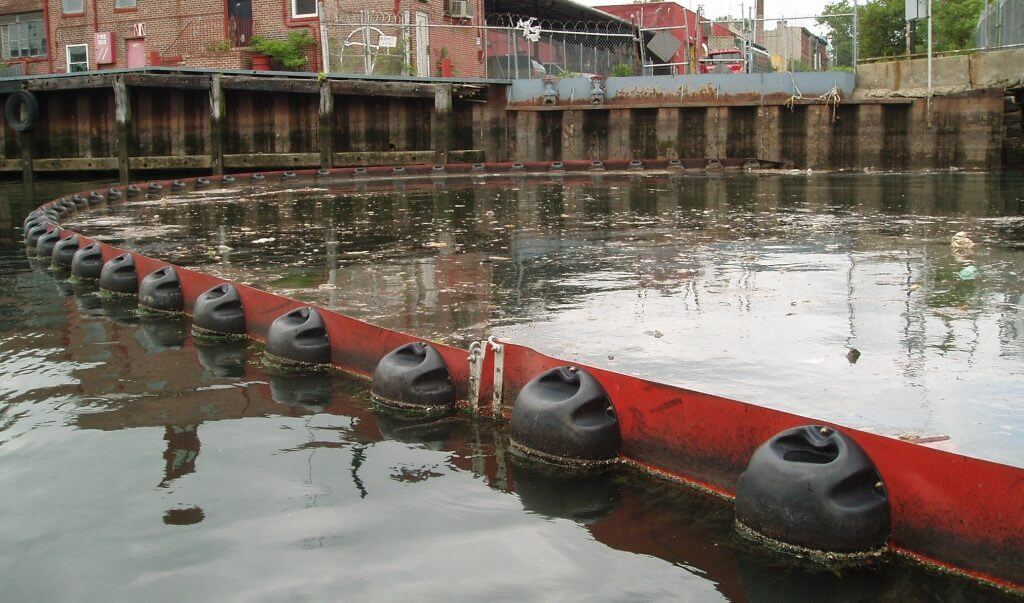
Pollutants from the canal can seep into the surrounding soil, posing risks to human health and limiting land use options for nearby properties. Soil contamination may also affect urban agriculture and gardening initiatives in the area.
Exposure to pollutants from the Gowanus Canal can pose serious health risks to humans, including respiratory problems, skin irritation, and long-term health effects such as cancer. Residents and workers in the vicinity of the canal are particularly vulnerable to these risks.
Despite the challenges, efforts to clean up the Gowanus Canal offer numerous benefits for the community and the environment.
Cleaning up the canal will significantly reduce pollution levels, improving the quality of water and air in the surrounding area.
Restoring the health of the Gowanus Canal will create a conducive environment for diverse plant and animal species to thrive once again.
By mitigating pollution and restoring surrounding ecosystems, cleaning up the Gowanus Canal will help reduce greenhouse gas emissions and combat climate change. Local Gowanus businesses and residents are also helping to cut down greenhouse gas emissions by installing solar power and reducing their use on fossil fuels.

A clean and healthy Gowanus Canal will provide residents with safer opportunities for recreational activities such as boating and fishing.
Revitalizing the Gowanus Canal area will lead to increased property values, benefiting homeowners and local businesses.
A cleaner canal will enhance public access to waterfront spaces, creating opportunities for community engagement and enjoyment.
Numerous initiatives are currently underway to clean up the Gowanus Canal and restore its ecological integrity.
The Environmental Protection Agency (EPA) has designated the Gowanus Canal as a Superfund site, facilitating dredging and capping activities to remove contaminated sediments and prevent further pollution. Goodbye Black Mayonnaise!

Efforts are underway to restore the historic turning basins of the Gowanus Canal, enhancing its navigability and ecological function. Contaminated material will be removed from the 1st Street turning basin and a portion of the 5th Street turning basin will be dredged and restored.
Efforts to address the issue of combined sewer overflows in Gowanus include infrastructure upgrades, such as the construction of storage tanks and green infrastructure to capture and treat stormwater before it enters the sewer system. By addressing the problem of combined sewer overflows, stakeholders hope to mitigate pollution and restore the ecological health of the Gowanus Canal.
Community involvement and education initiatives play a crucial role in raising awareness about the importance of cleaning up the Gowanus Canal and engaging residents in restoration efforts. The Gowanus Canal Conservancy has a lot of educational resources pertaining to the canal including curriculums that teach the history, health, and ecology of the canal, green infrastructure design, and more.
Once the cleanup of the Gowanus Canal is complete, plans include transforming the area into a vibrant waterfront destination with parks, green spaces, and mixed-use developments that prioritize sustainability and environmental stewardship.

Rendering of headhouse for the first underground storage tank located near Nevins Street, Butler Street, and Degraw Street. It will hold 8 million gallons of combined sewage during rainstorms.
You can play a part in cleaning up the Gowanus Canal and contributing to a cleaner New York City by supporting local environmental organizations, participating in community clean-up events, advocating for sustainable practices, and spreading awareness about the importance of protecting our waterways. By working together, we can ensure that future generations can enjoy a cleaner, healthier Gowanus Canal and a more sustainable city for all.
Are you a local Gowanus resident looking to make an impact on your neighborhood? Solar could be the solution! Find out if solar’s right for you by scheduling a call with our team.
One of the biggest myths about solar panels is that they don’t work in the winter. Solar panels need light, not heat, to produce electricity, which means they can still…
If you’re an NYC homeowner considering rooftop solar panels, questions like these may have crossed your mind: How do I store the energy my system produces? What happens at night…
If you’ve opened a utility bill lately, you know electricity costs are going up in New York City. The best way to avoid rising costs is by generating your own…