With more than 550 community gardens spread across the five boroughs, urban gardening in New York City has seen a significant rise in popularity in recent years. One innovative approach to powering these urban green spaces is through the use of solar energy.
Discover the benefits of urban gardening in NYC, from fresh, healthy produce to a stronger community. Learn the steps to harnessing solar power for your garden’s irrigation, lighting, and more. Let’s grow a greener future for NYC, one urban garden at a time!
What is Urban Gardening?
Urban gardening is the cultivation of plants, fruits, vegetables, and herbs in a city or urban environment. Due to the densely populated areas, urban gardening takes on many forms due to space limitations. Some techniques used to garden in the city include:
Rooftop gardening
Community gardening
Vertical gardening
Growing Trend of Urban Gardening in NYC
Community gardens, urban farms, and indoor gardening setups are becoming increasingly common sights across the city. With the increase of urban gardens, there’s also been a growing trend of incorporating technology into urban gardens, such as using hydroponics or vertical gardening systems to maximize space and efficiency as well as including solar power systems to help create a more sustainable green space.
The rise of urban gardening in NYC reflects a desire for fresher food, a more sustainable lifestyle, and a stronger sense of community within New York City.
Benefits of Urban Gardening in NYC
Urban gardening offers numerous benefits to both individuals and communities, including:
Grow Your Own Fresh, Healthy Produce
Many NYC neighborhoods, particularly those with a higher density of low-income residents, are considered “food deserts” with limited access to fresh, affordable fruits and vegetables. Urban gardening allows residents to grow their own healthy produce.
Contribute to Sustainability
People are becoming increasingly aware of the environmental impact of food production and transportation. Urban gardening provides a sustainable way to grow local food with a reduced carbon footprint.
Improve Air Quality
Urban gardens act as tiny air filters in the city, improving air quality through air pollutant absorption and oxygen production. Plants help filter pollutants from the air, contributing to cleaner and healthier urban environments.
Create Green Spaces
Urban gardens beautify neighborhoods, provide habitats for wildlife, and offer local community members a calming space to relax and gather in. Green spaces within cities also help with mitigating the urban heat island effect.
Build Community
Community gardens offer a space for residents to connect with their neighbors, share knowledge and resources, promote teamwork, and empower residents to take ownership of their neighborhoods.
Boost Property Values
Green spaces, including urban gardens, can enhance neighborhood aesthetics and desirability, which increases surrounding property values. A 2022 study shows that, in total, parks boost NYC property values by $15 billion.
Reduce Waste
Composting organic waste from urban gardens helps divert it from landfills, reducing overall waste production and promoting soil health. Besides composting, urban gardens also help reduce food waste by creating its own locally sourced foods.
Government Support
The NYC Department of Urban Agriculture and other organizations offer programs and resources to support urban gardening initiatives.
Pros of Using Solar for Urban Gardening
By incorporating solar power into your NYC urban garden, you’ll be cultivating a thriving green space while minimizing your environmental impact and potentially reducing your reliance on the traditional electricity grid.
Reduced Energy Costs and Sustainability
Lower Electricity Bills: Power your garden’s irrigation systems, lighting, and other equipment with clean, renewable solar energy, reducing your reliance on the grid and potentially lowering your electricity bills.
Eco-Friendly Footprint: Minimize your urban garden’s environmental impact by utilizing a clean and sustainable energy source like solar power. This helps reduce your carbon footprint and promotes a more responsible approach to food production.
Improved Garden Functionality
Reliable Power Source: Ensure consistent power for your garden’s needs. Solar panels with battery storage can provide backup power, keeping your irrigation systems and grow lights operational.
Extended Growing Season: Extend the growing season in your NYC garden by utilizing solar-powered lights for seedlings or shade-loving plants that require extra sunlight hours.
Additional Advantages
Government Incentives: Many government programs and rebates exist to help offset the upfront costs of solar panel installation in NYC.
Reduced Reliance on Fossil Fuels: By using solar power, you’re contributing to a decrease in reliance on fossil fuels for electricity generation, promoting a cleaner energy future for the community.
Cons of Using Solar for Urban Gardening
While solar can be a great addition to an urban garden, it might not be the best fit in all scenarios.
Upfront Costs
The initial investment in purchasing and installing solar panels can be significant. While there are rebates and incentives to help offset the cost, it can still be a financial hurdle for some urban gardeners.
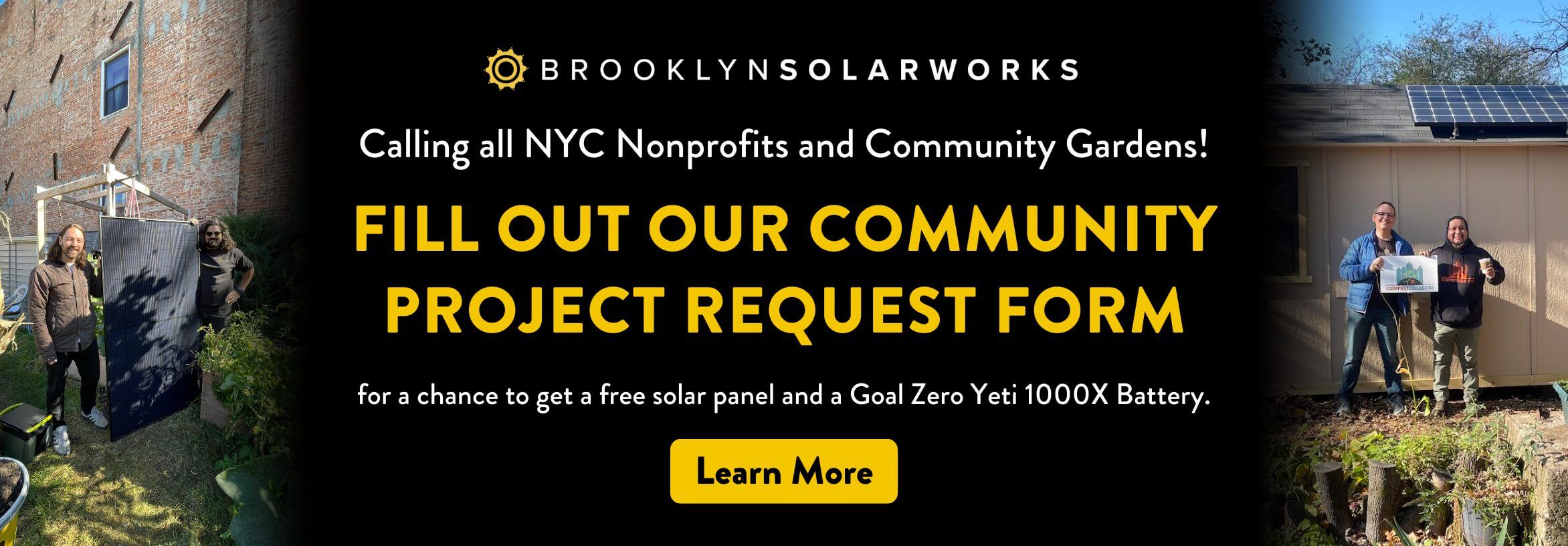
To help create a more sustainable community, Brooklyn SolarWorks has a Community Project Request Program. This program gives qualified NYC nonprofits and community gardens the chance to receive a Goal Zero Yeti 1000X battery and one solar panel to help power their community garden or other outdoor initiatives with solar.
Sunlight Exposure
Solar panels require sufficient sunlight hours to generate enough energy. Buildings with significant shade from surrounding structures or limited direct sunlight throughout the day may not be ideal candidates for solar power.
Limited Space
Not all urban gardens have suitable space for solar panels. Rooftops, balconies, and even some community gardens might have limited space or awkward layouts that restrict efficient solar panel placement. Additionally, some buildings or rooftops may have structural limitations that can’t support the weight of solar panels.
Not All Needs Met
Depending on the size and complexity of your urban garden, solar power might not meet all your energy needs. You might still require some grid-based electricity for specific equipment or during extended periods of low sunlight.
Brooklyn SolarWorks Community Project Program
We know that homeowners aren’t the only ones in need of solar. We want to support our local community partners and non-profit organizations that do so much for NYC, but do not have the budget to invest in clean energy. Nonprofits dedicated to education & youth achievement, community development, health & human services, sustainability, and cultivating public outdoor spaces are our first priority for complimentary solar installations.
Through our Community Project Request Form, interested groups can apply for BSW’s assistance in providing solar capabilities. We will engage selected groups and provide labor and materials to meet your solar goals.
For solar projects that require more than one solar panel, get your free solar quote and see how much you can be saving with solar.
Examples of Urban Gardens in NYC
Rooftop Gardens
Rooftop gardens offer a unique way to experience the joys of gardening in NYC’s busy environment. Whether you’re seeking fresh produce, a connection to nature, or a chance to contribute to a greener city, rooftop gardens are a beautiful and sustainable solution.
A solar green roof project collaboration between Brooklyn SolarWorks and Highview Creations in Brooklyn, New York!
Local Crown Heights Co-op 838 Park Place creates its own rooftop garden under its solar canopies and tilt racks.
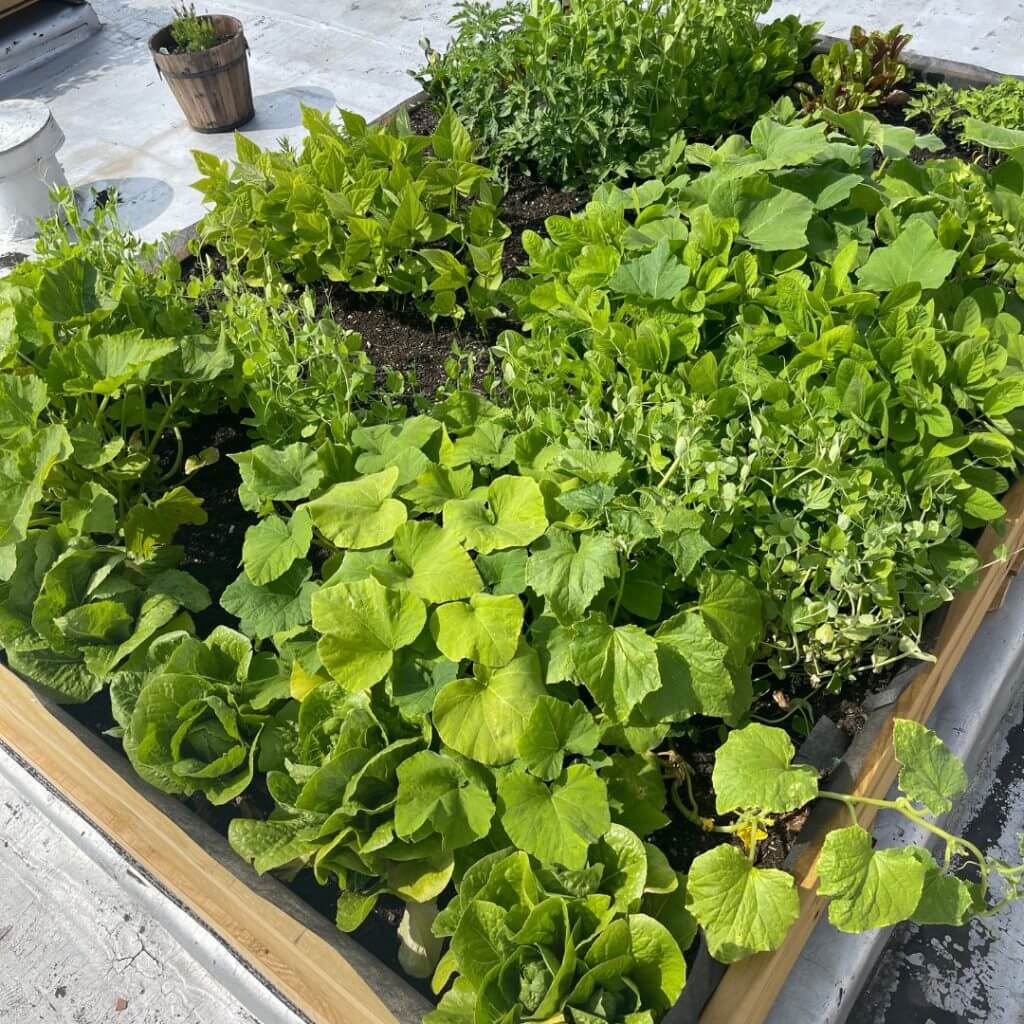
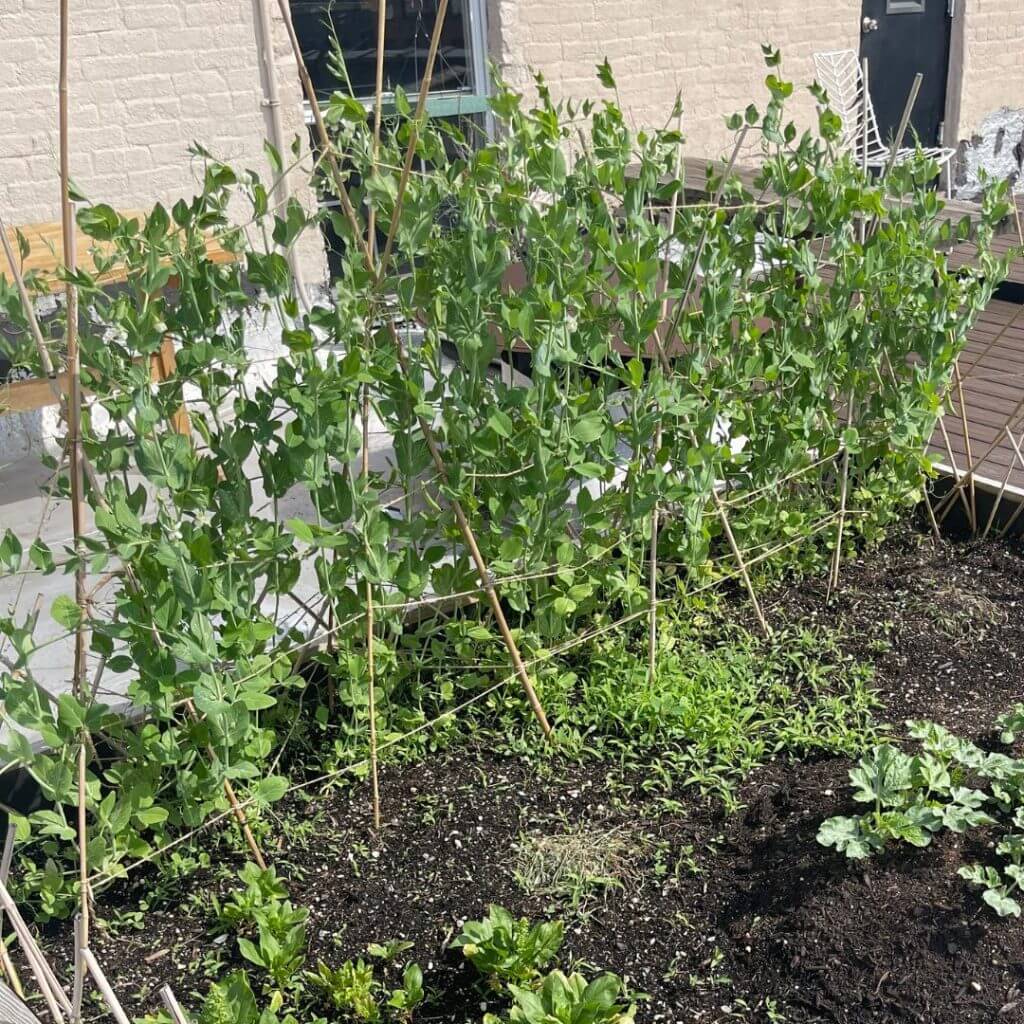
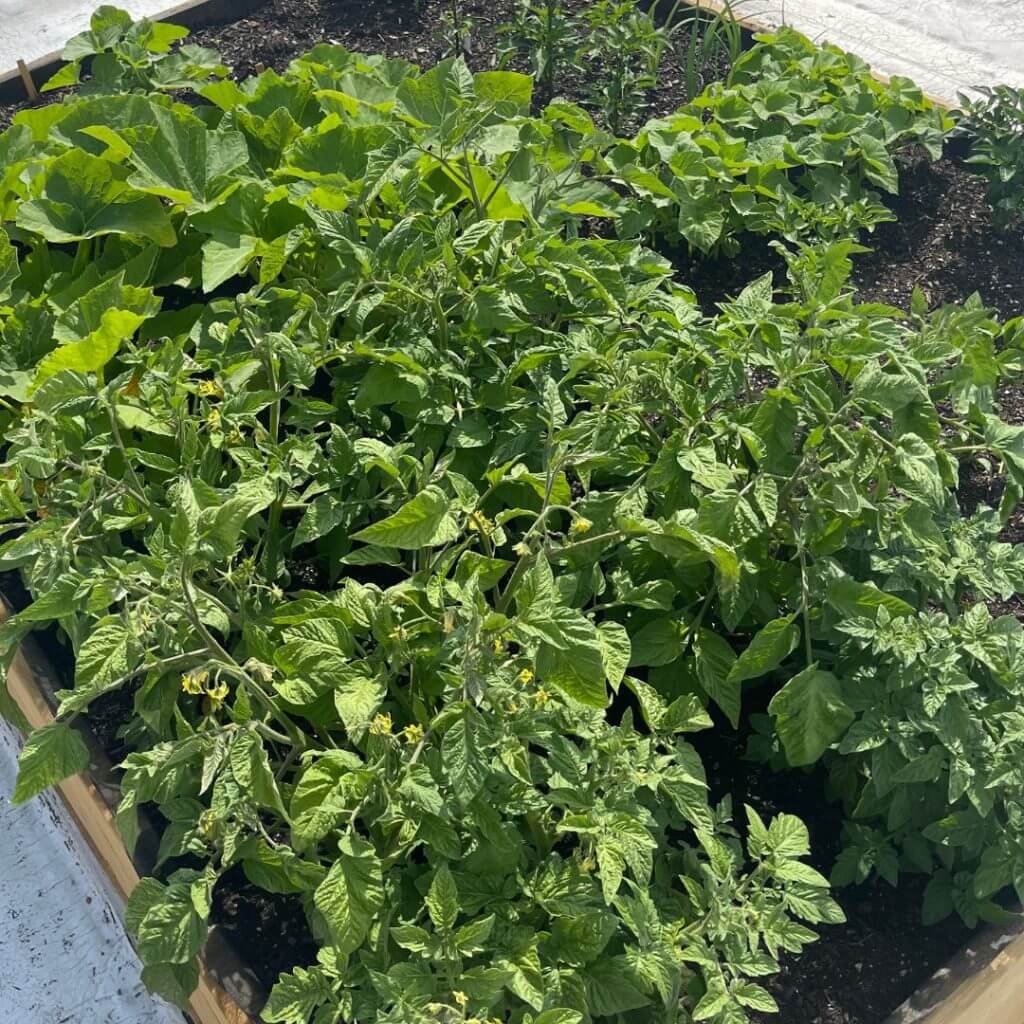
At Brooklyn SolarWorks HQ, we have our own rooftop garden beds that grow fresh fruits, veggies, and herbs all summer long.
Community Gardens
Community gardens are a cornerstone of urban agriculture in NYC, fostering vibrant green spaces and a strong sense of community.
Compost CollectiveMaple St. GardenHalsey Ralph & Howard Garden
Compost Collective, Maple St. Garden, Halsey Ralph & Howard Community Garden, and many other gardens around the city have been using solar power to help create a more sustainable environment.
Indoor Gardens
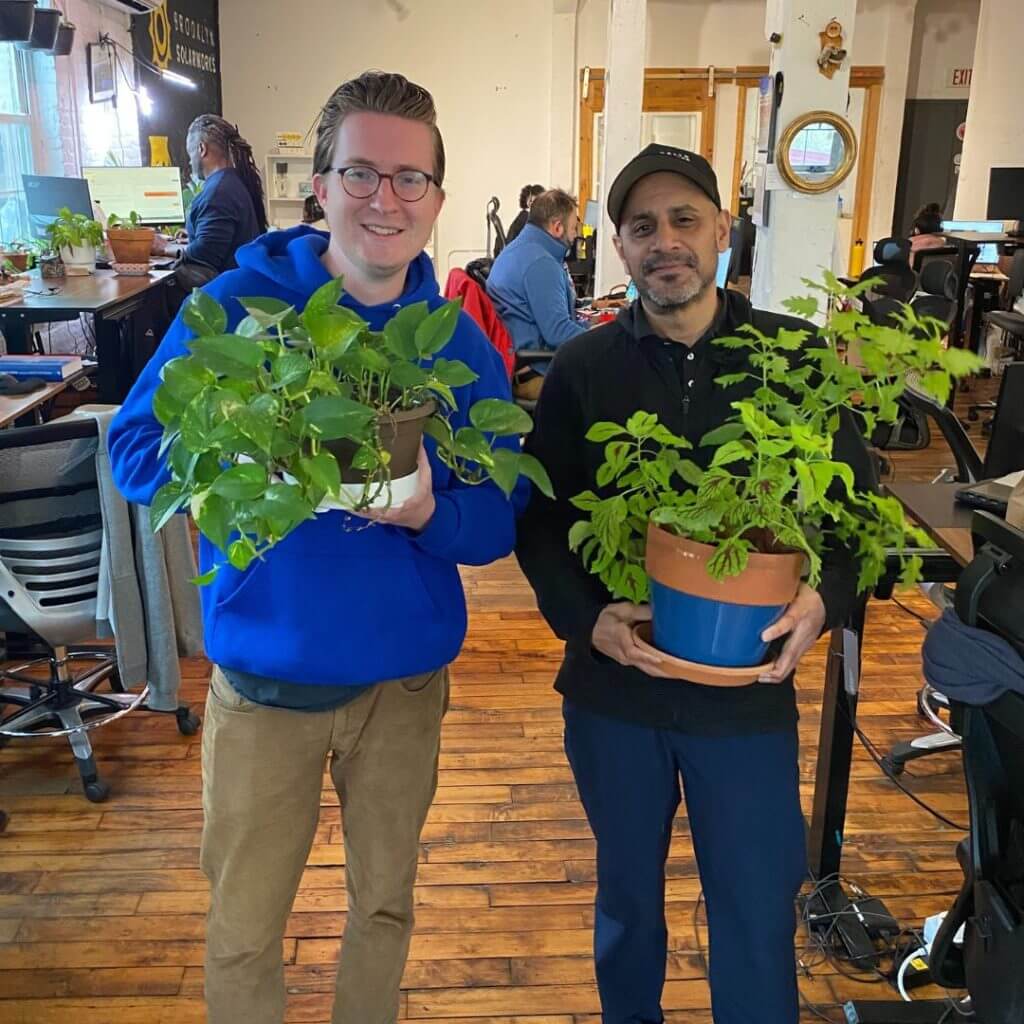
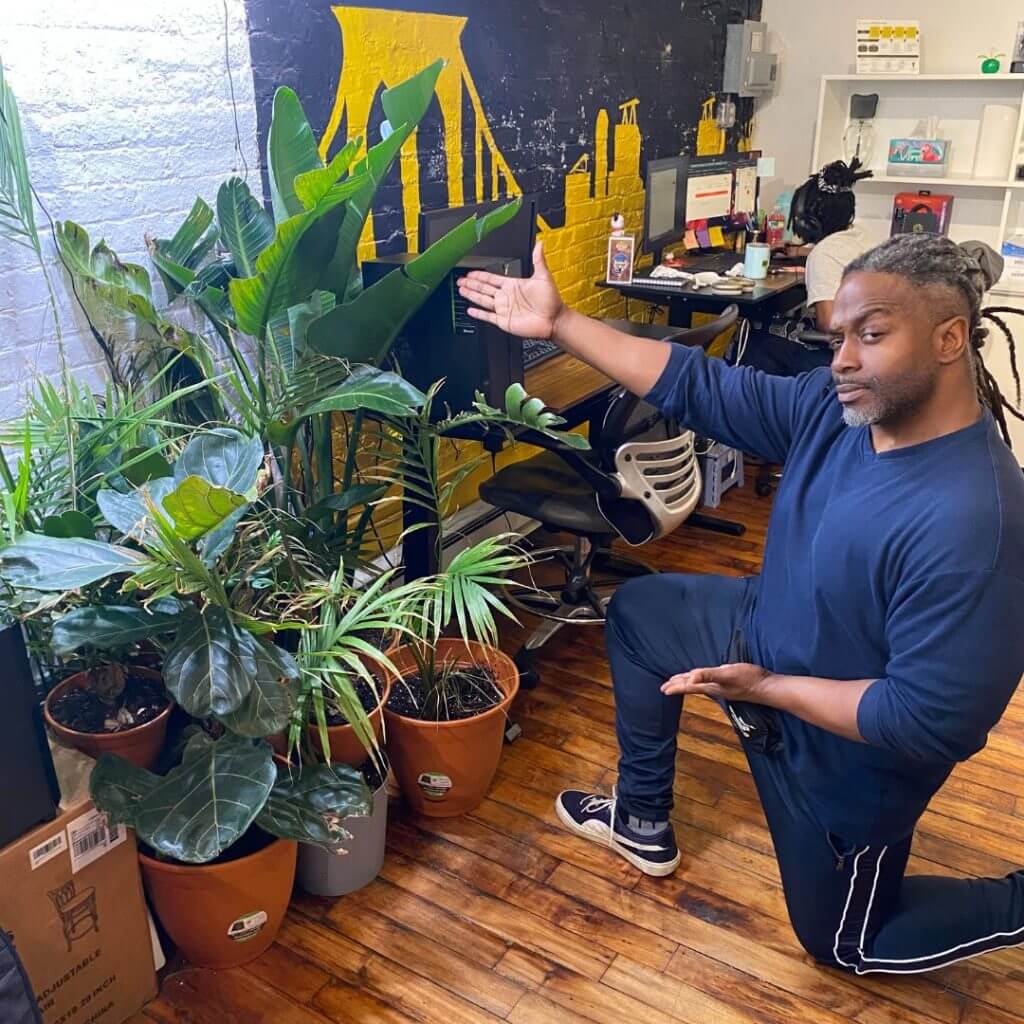
Utilizing indoor spaces, such as apartments and offices, to grow plants is a great way to bring a touch of nature into your NYC apartment. Here are some of our favorite indoor plants that we have at the office:
School Gardens
Educational gardens within schools help teach students about gardening, sustainability, and healthy eating habits. GrowNYC is an amazing nonprofit organization that helps inspire, promote and facilitate the creation of sustainable gardens in public schools throughout New York City.
Power Your NYC Urban Garden with Sustainable Energy Today!
Seeing the popularity of urban gardens in NYC rise these past few years has shown the importance of green spaces in the city. These local gardens continue to bring communities together while reducing the city’s overall carbon footprint. We want to continue to improve these spaces and one way to do that is to incorporate solar power. Start your journey towards a greener, healthier future today!
Solar panels are becoming increasingly common in New York City, and for good reason. They pay for themselves through electric bill savings and, as Con Ed rates continue to rise,…
Solar energy is becoming increasingly affordable in New York City, thanks to a variety of unique incentives available to homeowners across the five boroughs. With the right combination of state…
Brooklyn SolarWorks Installs New York City’s First Residential Battery Energy Storage System Partnership with Briggs & Stratton serves as a trailblazer for New York City’s permitting framework for the siting…